Summary
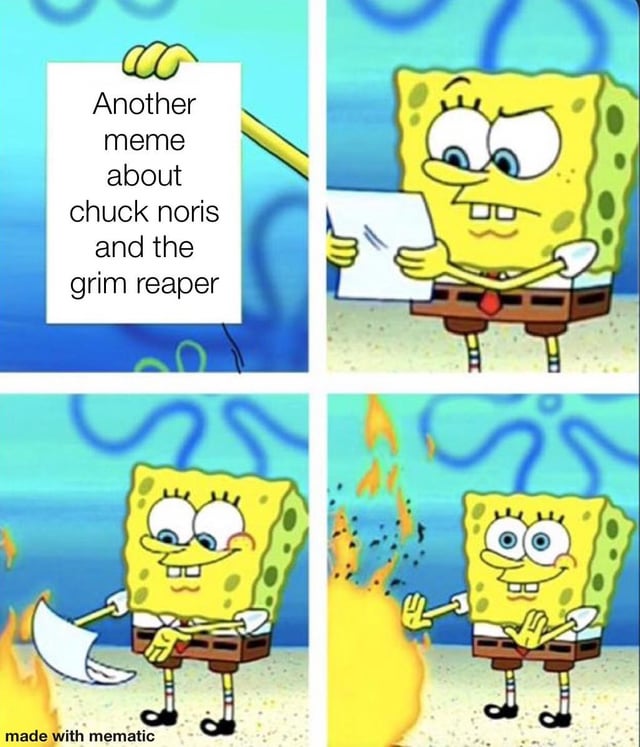
SpongeBob SquarePants is one of the internet's most flexible reaction-image characters. His simple design, extreme expressions, and long-running presence in Nickelodeon pop culture make him useful for jokes about anxiety, burnout, mockery, awkward exits, childish enthusiasm, and everyday adult frustration. Formats such as Mocking SpongeBob, Ight Imma Head Out, Imagination SpongeBob, Tired SpongeBob, and Caveman SpongeBob show how older episode frames can be repeatedly rediscovered and re-captioned for new social-media contexts.
Description
Overview
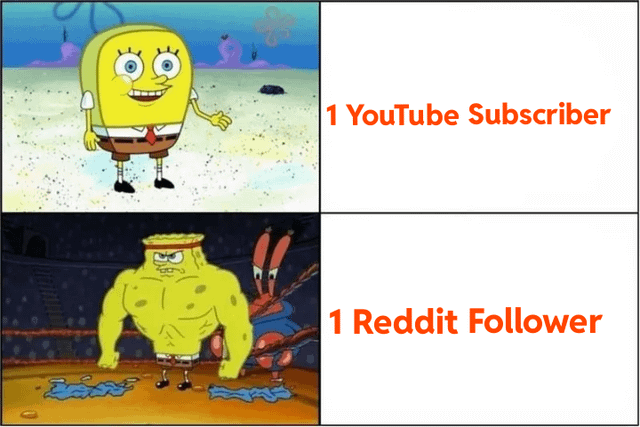
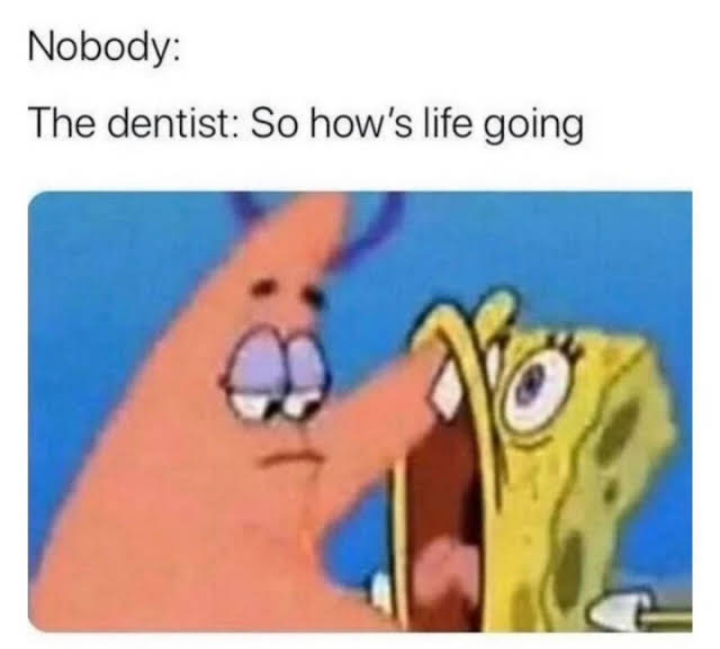
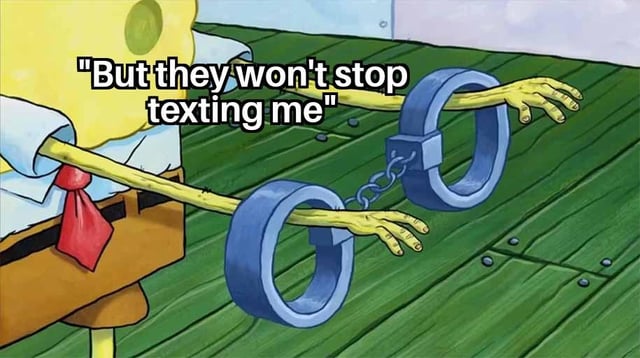
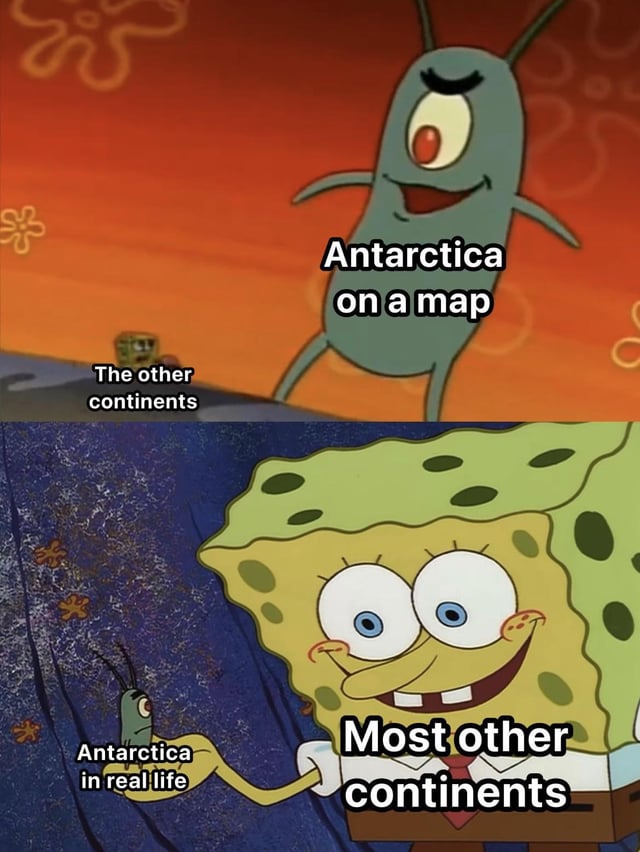
SpongeBob SquarePants is the cheerful yellow sea sponge at the center of Nickelodeon's long-running animated series of the same name. In meme culture, SpongeBob is less a single template than a reusable emotional alphabet: smug, exhausted, panicked, proud, mocking, overjoyed, socially anxious, and ready to leave the room. The character's simple shape and extreme expressions make him instantly readable even when the joke has nothing to do with Bikini Bottom.
Nickelodeon positioned SpongeBob as a pop-culture icon early in the show's life, describing the series as having launched on July 17, 1999 and as a fast-growing global property by its tenth anniversary.1 A later Nickelodeon anniversary release explicitly grouped the franchise's catchphrases and memes among the reasons the character stayed culturally visible for decades.2
Origin and Source Context
SpongeBob was created by Stephen Hillenburg, a marine-biology educator and animator whose background helped shape the show's underwater world.1 The character works at the Krusty Krab, lives in a pineapple, and approaches ordinary routines with absurd enthusiasm. Those traits are important to the memes: a childlike optimist can become funny shorthand for adult burnout, petty triumph, workplace frustration, internet argument, or social awkwardness with almost no setup.
The earliest widely shared SpongeBob memes drew from screenshots and short clips of the animated series. Because the show ran for years before social media became central to meme spread, many templates are rediscoveries: older episode frames get re-captioned years later when a still happens to match a new internet mood.
Meme Development
SpongeBob memes grew in layers rather than from one single origin. Early image-macro communities used moments such as "Imagination SpongeBob," where the character presents a rainbow-like gesture from the episode "Idiot Box"; Know Your Meme records the format as one of the older reusable SpongeBob image macros.3 These early templates leaned on the show's expressive animation and were often used for whimsical, sarcastic, or deliberately absurd captions.
The 2010s made SpongeBob a core reaction-image source. "Mocking SpongeBob," also known as "Spongemock," uses a screenshot from the episode "Little Yellow Book" to signal a mocking tone, especially through alternating uppercase and lowercase text.4 In 2019, "Ight Imma Head Out" turned a SpongeBob chair screenshot into a reaction for wanting to exit an uncomfortable or pointless situation; Know Your Meme traces the format's broader spread through Twitter, Instagram, and Reddit examples.5
Mainstream coverage of SpongeBob memes has often emphasized how unusually versatile the show is as source material. Time, citing Know Your Meme's database work, described SpongeBob as one of the most frequently used pop-culture properties in memes and highlighted how the character's broad emotional range makes the screenshots easy to repurpose.6
Common Formats and Visual Identifiers
| Format | Visual cue | Typical use |
|---|---|---|
| Mocking SpongeBob / Spongemock | SpongeBob bent forward like a chicken, often paired with alternating caps | Mocking an opinion, quote, or repeated phrase |
| Ight Imma Head Out | SpongeBob sitting in or rising from a chair | Leaving an awkward, boring, or doomed situation |
| Imagination SpongeBob | SpongeBob spreading his hands under a rainbow | Sarcastic fantasy, fake optimism, or exaggerated possibility |
| Tired or exhausted SpongeBob | Drooping eyes, drained posture, or worn-out edits | Burnout, overstimulation, school/work fatigue |
| Smug SpongeBob | Half-lidded grin or satisfied pose | Petty victory, "I told you so," ironic confidence |
| SpongeBob reaction collage | SpongeBob frame paired with unrelated real-world text or screenshots | Translating a feeling from social media, fandom, politics, gaming, or daily life |
Why It Works as Meme Language
SpongeBob's meme value comes from clarity. The character is visually simple, but the show gives him dramatic expressions that read at thumbnail size. A single frame can communicate triumph, dread, confusion, disbelief, fake innocence, or resignation before the caption even lands.
The character also carries a useful contrast: SpongeBob is bright, harmless, and associated with childhood television, while many memes place him inside adult topics such as work, money, politics, dating, fandom, or mental exhaustion. That contrast keeps the jokes elastic. A SpongeBob image can soften a harsh complaint, make a mundane problem feel theatrical, or turn a serious argument into a recognizable internet bit.
Gagbase Curation Notes
This character page is best used for memes where SpongeBob himself is the visible reaction subject, captioned speaker, or primary template figure. Memes about the broader television series should also connect to the work page, while memes centered on Patrick, Squidward, Mr. Krabs, or another character should use those character pages instead. Broad SpongeBob-format memes often overlap with origin/template pages such as "Mocking SpongeBob," "Ight Imma Head Out," or "Imagination SpongeBob" when those origins exist.
Notable Variants and Related Memes
- Mocking SpongeBob / Spongemock: a mocking reaction format tied to exaggerated casing and parody quotation.
- Ight Imma Head Out: an exit-reaction image for social fatigue, awkwardness, or refusal to participate.
- Imagination SpongeBob: a rainbow-hand gesture template for imagined scenarios and sarcastic possibility.
- Caveman / Primitive SpongeBob: a stress or primal-instinct reaction image, often used when a situation triggers panic or awkward survival mode.
- Tired SpongeBob: a family of exhausted reaction images, useful for school, work, news fatigue, and general burnout.
Trivia
- SpongeBob memes often work even for viewers who do not remember the exact episode, because the emotion is legible on its own.
- The same character can anchor sincere wholesome edits and harsh sarcastic edits, which is rare for a single cartoon figure.
- Alternating caps in internet text are now strongly associated with the Mocking SpongeBob format, even when the image itself is absent.
- Many SpongeBob memes are really "reaction-image captions" rather than jokes about the show; Bikini Bottom supplies the face, while the internet supplies the situation.
-
Paramount / Nickelodeon, "Nickelodeon Celebrates 10 Years of Pop Culture Icon SpongeBob SquarePants", June 24, 2009. ↩↩
-
Paramount / Nickelodeon, "Nickelodeon Marks 20 Years of SpongeBob SquarePants with the 'Best Year Ever'", February 11, 2019. ↩
-
Know Your Meme, "Imagination Spongebob". ↩
-
Know Your Meme, "Mocking SpongeBob". ↩
-
Know Your Meme, "Ight Imma Head Out". ↩
-
Time, "Your Comprehensive Guide to the Best Spongebob Memes Across the Internet's Sea", September 19, 2019. ↩