Summary
He-Man and the Masters of the Universe is the 1980s Mattel and Filmation fantasy franchise that became a lasting source for meme templates, reaction images, and nostalgic internet edits. Its meme value comes from instantly readable characters: He-Man as an over-the-top heroic icon, Skeletor as a smug fact-delivery machine, and the bright Filmation style as a ready-made contrast to everyday jokes. The work anchors Skeletor facts, He-Man advice panels, "By the Power of Grayskull" callbacks, and the viral "HEYYEYAAEYAAAEYAEYAA" singing meme.
Description
Overview
He-Man and the Masters of the Universe is the 1980s fantasy/sci-fi cartoon and toy franchise that gave meme culture a surprisingly durable cast of exaggerated heroes, villains, poses, and one-liners. The core setup is simple enough for a reaction image: Prince Adam transforms into He-Man, the blond strongman hero of Eternia, while Skeletor serves as the skull-faced villain whose theatrical expressions make him look as if he is always about to deliver a terrible fact, a petty insult, or a strangely useful tip.
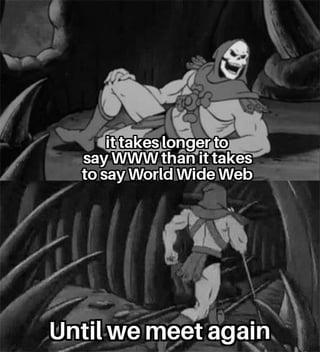
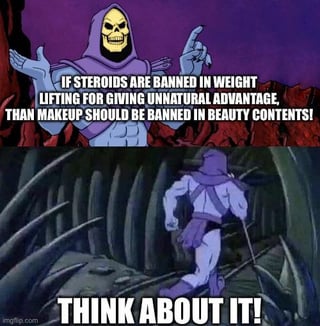
On Gagbase, this work page should anchor memes that clearly use the broader Masters of the Universe source: He-Man reaction panels, Skeletor "facts" edits, Prince Adam singing clips, retro cartoon stills, and newer franchise callbacks. Narrower pages can still cover the specific characters and templates, especially Skeletor's "Until We Meet Again" format and the viral He-Man singing video often remembered as "HEYYEYAAEYAAAEYAEYAA."
Origin And Source Context
Masters of the Universe began as a Mattel toy line in the early 1980s before expanding into comics, television, films, games, and later nostalgia-driven reboots. Mattel's current brand page still frames the property around He-Man, Skeletor, classic MOTU figures, the power of Grayskull, and the legacy of good-versus-evil fantasy play.1
The best-known cartoon incarnation, He-Man and the Masters of the Universe, was produced by Filmation and became one of the defining toy-linked animated series of the 1980s. Contemporary retrospectives note that the original toy line launched in 1982, that Mattel used mini-comics and later a franchise "bible" to build the mythology, and that the cartoon debuted in September 1983 with a lighter, moral-lesson style than the darker early packaging lore.2 The Filmation series ran for 130 episodes, helping turn He-Man, Skeletor, Castle Grayskull, Battle Cat, Orko, Evil-Lyn, and other Eternian names into long-running pop-culture shorthand.3
That toy-first background matters for memes. The franchise is visually loud and immediately legible: huge muscles, bright armor, dramatic swords, skull masks, glowing staffs, caves, castles, and characters who always appear to be overacting. Those ingredients make still frames easy to caption, and they let people use the show as a comic contrast between grand heroic fantasy and ordinary internet complaints.
How It Spread As Meme Material
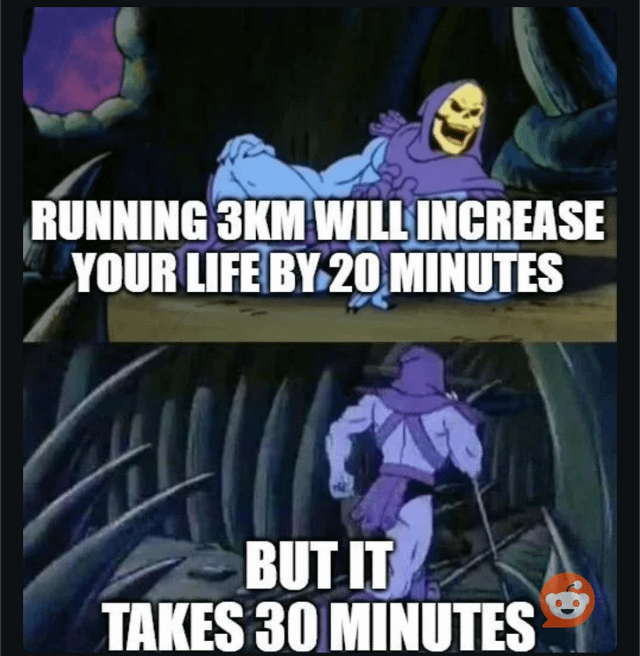
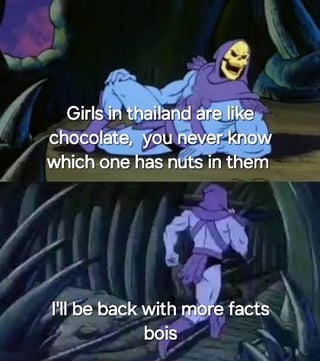
The franchise's meme life comes from two overlapping sources: nostalgia for the 1980s cartoon and the absurd flexibility of its images. Skeletor is especially useful because his villainous body language reads as smug, wise, cursed, or goofy depending on the caption. He can deliver a shower thought, a political aside, a science fact, a bad pun, or a rude observation, then flee with "Until we meet again" or a similar exit line.
He-Man's meme usage is broader. Some memes use him as a sincere heroic icon, especially around "By the Power of Grayskull" or "I have the power." Others lean into the gap between the cartoon's macho fantasy surface and its campy, colorful performance style. That second mode is why the "Fabulous Secret Powers" / "HEYYEYAAEYAAAEYAEYAA" video became such a durable internet object: it re-edited He-Man footage into a surreal lip-sync music video set to a version of 4 Non Blondes' "What's Up?" TechRadar reported in 2026 that the upcoming Masters of the Universe film even references that viral video, treating it as one of the best-known modern entry points into the franchise.4
The result is a source work that functions as both retro cartoon nostalgia and reusable reaction material. Even people who have never watched the show may recognize the forms: Skeletor giving "facts," He-Man raising the sword, Prince Adam belting "What's going on?", or a 1980s fantasy villain unexpectedly making a relatable point.
Common Formats And Uses
| Format | Visual Pattern | Common Use |
|---|---|---|
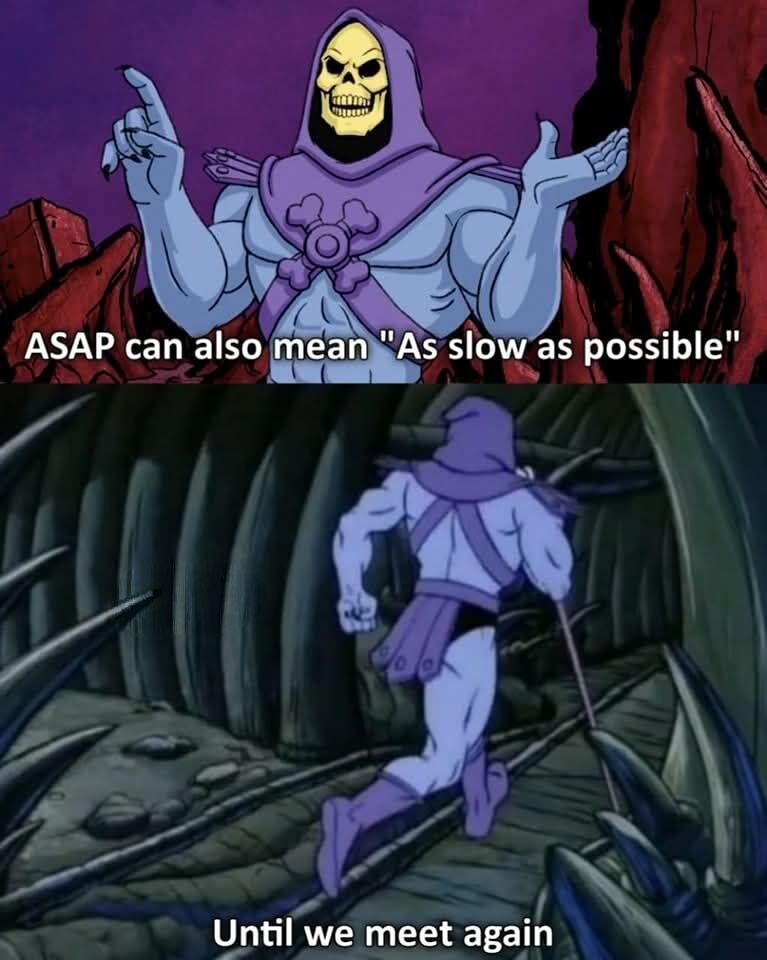
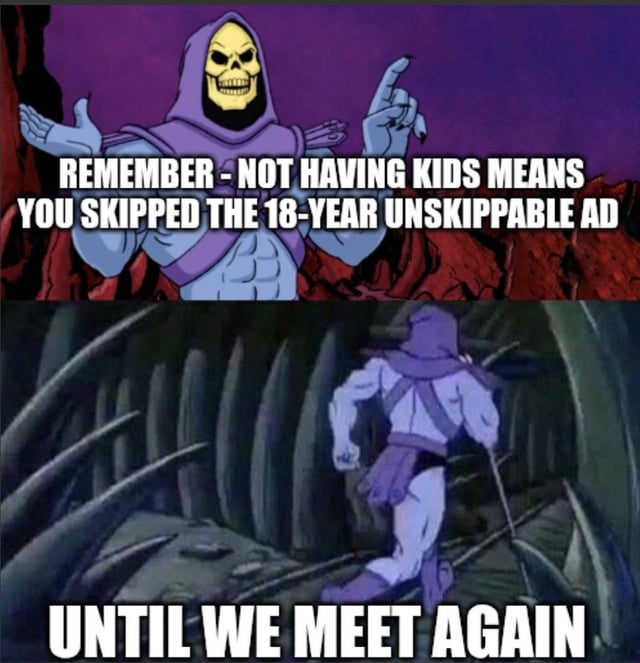
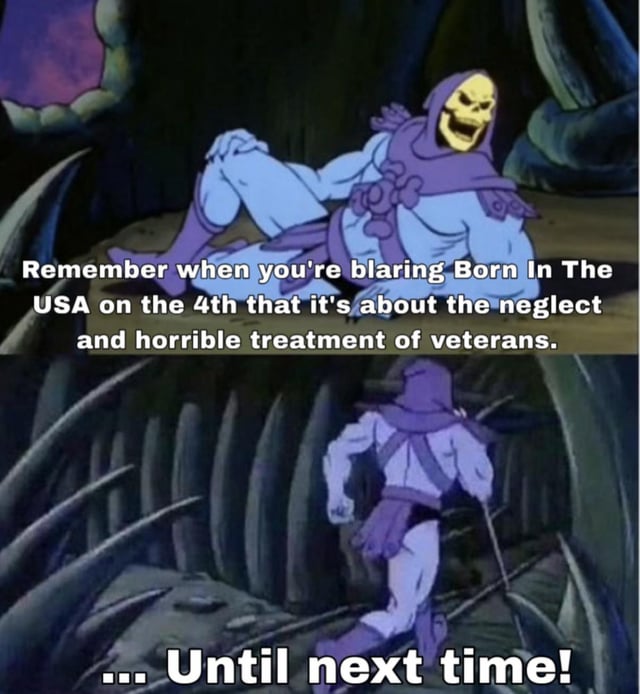
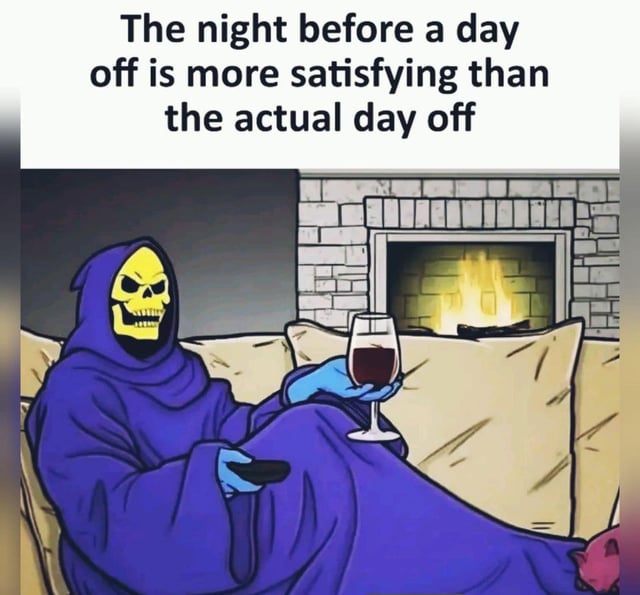
| Skeletor facts | Skeletor reclining, pointing, or walking away | Odd trivia, sarcastic advice, shower thoughts, dark jokes, "until next time" punchlines |
| Skeletor will return | Two-panel setup with Skeletor leaving after a take | Ending a smug observation as if it were a villain monologue |
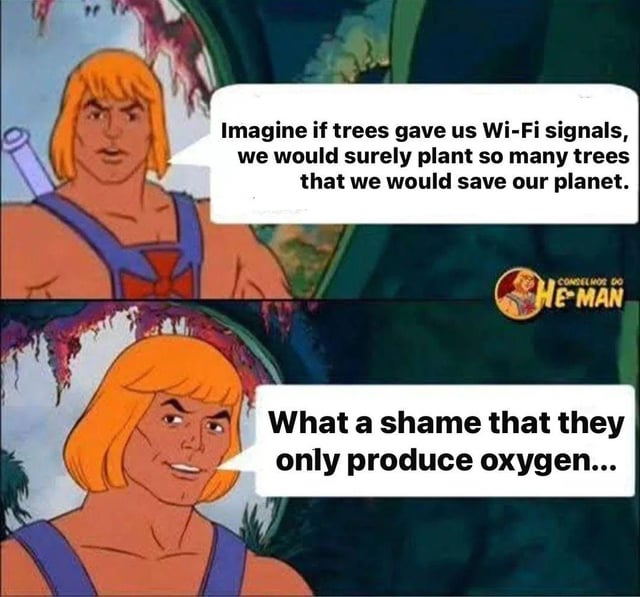
| He-Man advice panels | He-Man close-ups or two-panel captions | Environmental jokes, motivational irony, simple moral contrasts |
| Fabulous Secret Powers | Prince Adam / He-Man singing to "What's Up?" | Surreal nostalgia, camp humor, early-2010s YouTube meme references |
| By the Power of Grayskull | He-Man raising the sword or transforming | Over-the-top empowerment, dramatic self-confidence, fake epic stakes |
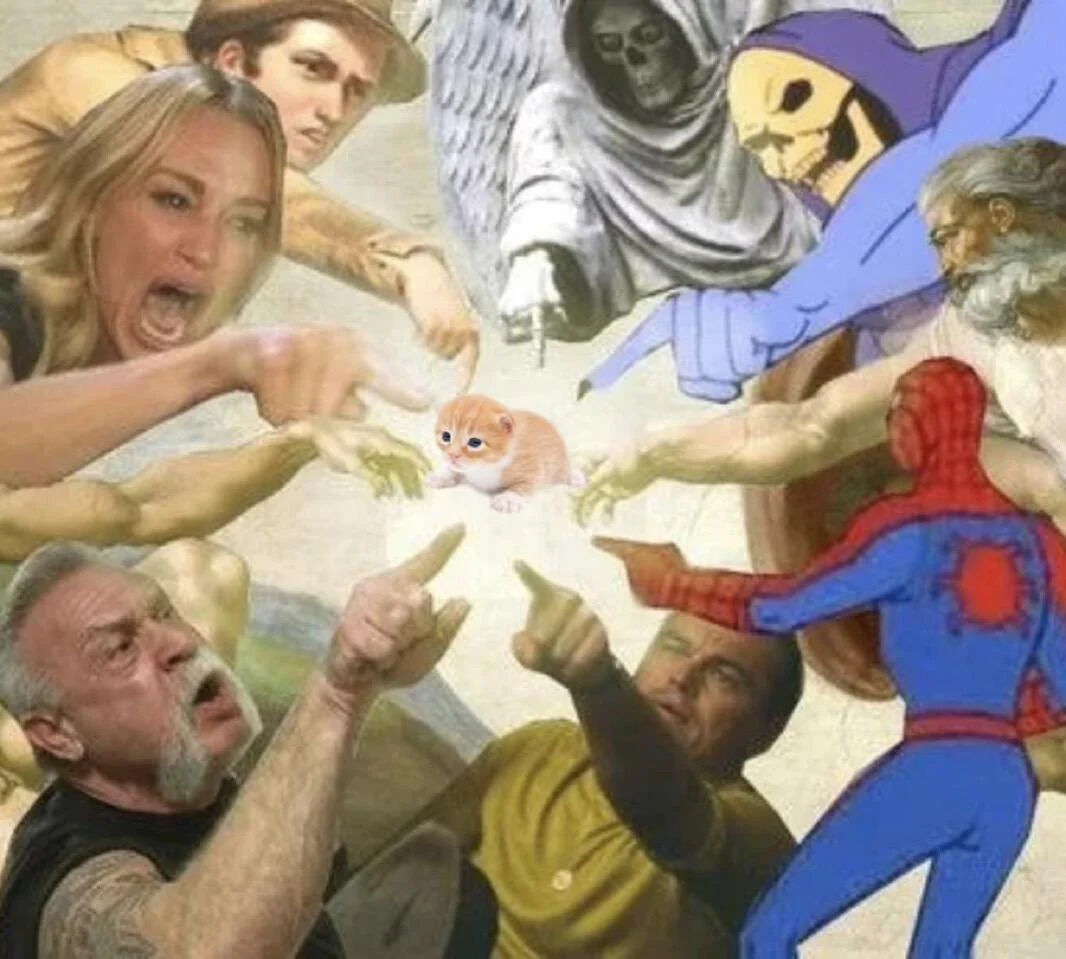
| He-Man and Skeletor callbacks | Hero and villain images from the franchise | Nostalgia jokes, fandom references, character-versus-character comparisons |
Visual Identifiers
Key identifiers include He-Man's blond bob, sword, harness, bare-chested warrior design, and green tiger companion Battle Cat. Skeletor is even easier to spot: a yellow skull face, blue body, purple hood or armor, and a villain stance that makes nearly any caption sound like forbidden knowledge. Backgrounds often include rocky caves, Castle Grayskull-like fantasy settings, or the flat, colorful Filmation look of 1980s television animation.
Meme captions tend to use a mock-authoritative tone. A Skeletor panel can turn a mundane observation into an ominous proclamation, while a He-Man panel can make a basic point feel like a public-service announcement. This contrast between epic fantasy presentation and everyday internet problems is the main reason the source remains useful.
Editorial Notes For Gagbase
Use this work page for memes where the visible source is the broader He-Man and the Masters of the Universe / Masters of the Universe franchise. Use character pages when a meme clearly centers He-Man, Skeletor, Evil-Lyn, Fisto, or another identifiable subject. If a meme is specifically built around the "Skeletor facts" two-panel format or the He-Man singing video, those can also support narrower origin/template pages.
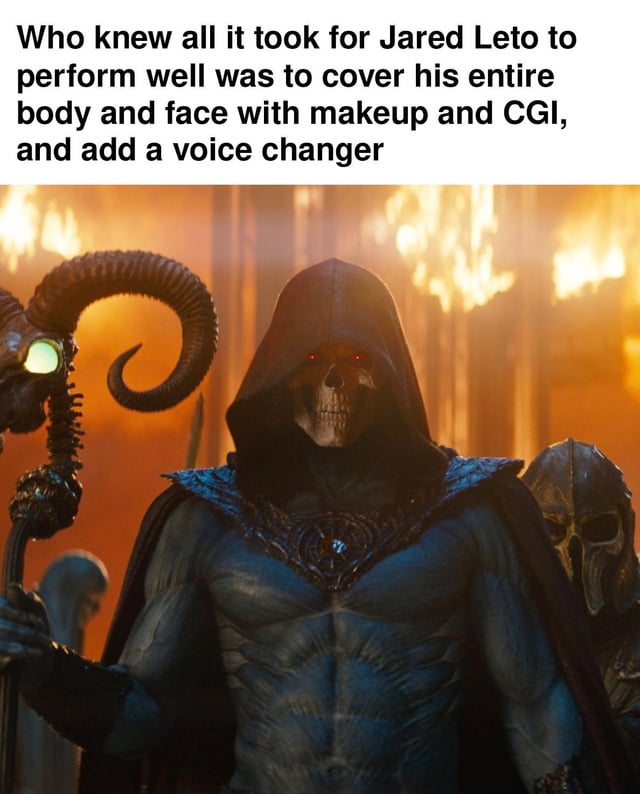
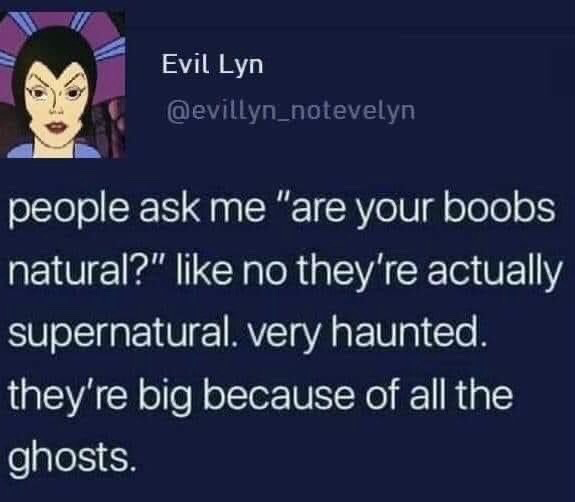
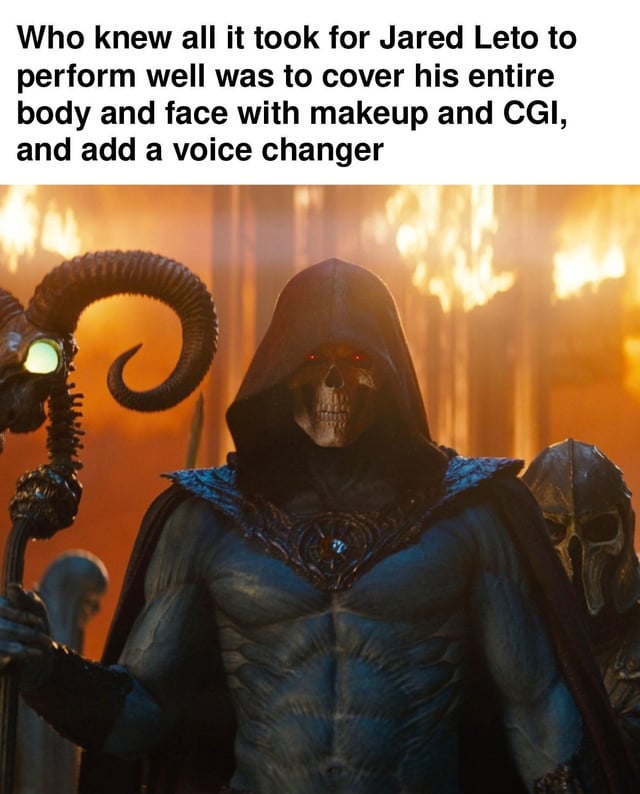
The work should not absorb unrelated "strong man," skeleton, sword fantasy, or generic retro-cartoon images unless the visual source is actually from the franchise. Similarly, a meme about actor casting in a modern Masters of the Universe film belongs here only when the joke is tied to the franchise, character, or visible source material rather than general celebrity commentary.
Trivia And Related Memes
- The franchise's toy-first origin is part of its meme appeal: the designs were built to be instantly readable, which also makes them easy to repurpose as image macros.
- Skeletor's exaggerated villain design lets him serve as a sarcastic advice columnist, a cursed fact dispenser, or a chaotic exit gag.
- The He-Man singing meme helped introduce the cartoon to viewers who knew the viral video before they knew the original show.
- The line "By the Power of Grayskull" remains useful as a dramatic caption for tiny personal victories and fake epic transformations.
-
Richard Edwards, "It had the power! The weird origins of He-Man, Skeletor, and the 'Masters of the Universe'", Space.com, June 1, 2026. ↩
-
He-Man and the Masters of the Universe, Wikipedia. ↩
-
Tom Power, "Masters of the Universe references the greatest He-Man meme of all-time", TechRadar, June 1, 2026. ↩