Summary
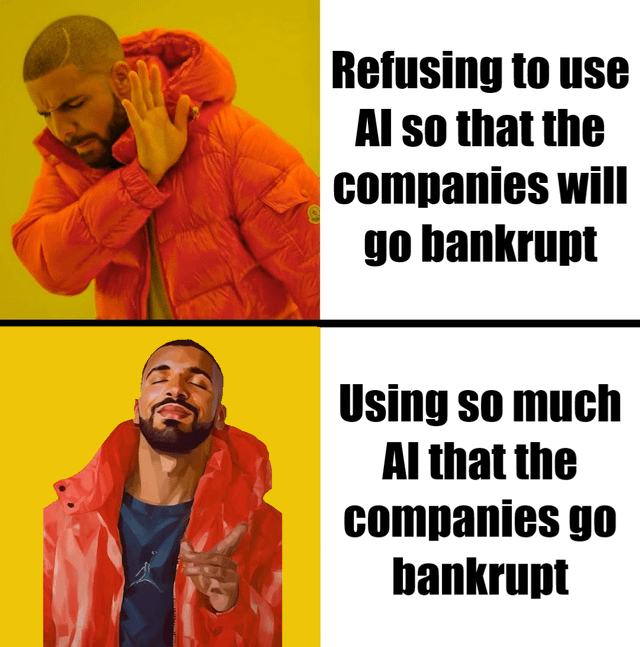
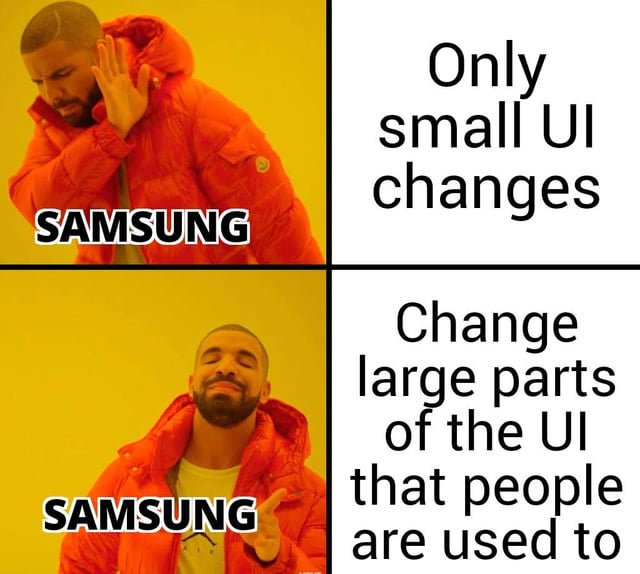
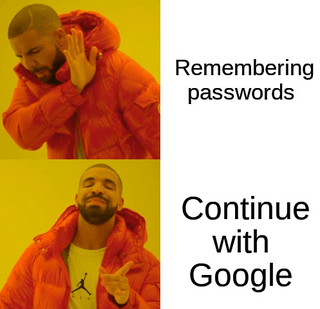
Hotline Bling (music video) is the source of the Drakeposting/Drake preference meme, built from Drake's gestures in the 2015 video for his hit single. Online, the template turns two stills into a quick comparison: top Drake rejects one option, bottom Drake approves another. Its clean layout made it useful for everyday choices, fandom jokes, politics, tech complaints, and absurd wordplay. The format spread from early imageboard use into mainstream meme culture and remains one of the most recognizable reaction templates of the 2010s.
Description
Overview
Hotline Bling (music video) is the 2015 Drake video whose color-blocked set, orange puffer jacket, and exaggerated dance gestures became one of the internet's most reusable visual languages. On Gagbase, the work page covers memes sourced from the video itself, especially the two-panel "Drakeposting" or "Drake preference" format where one Drake still rejects an option and another Drake still approves a better, stranger, or more self-incriminating alternative.
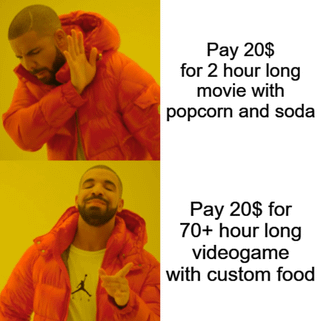
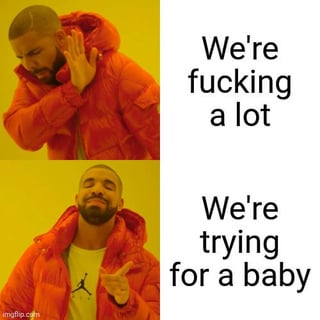
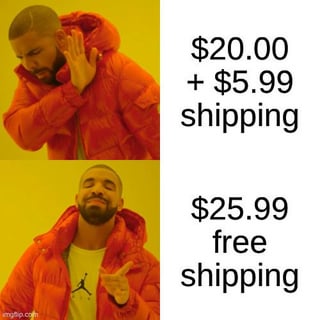
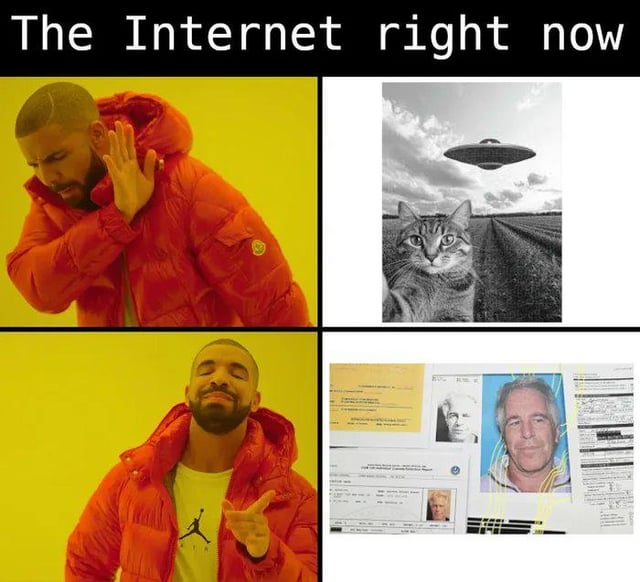
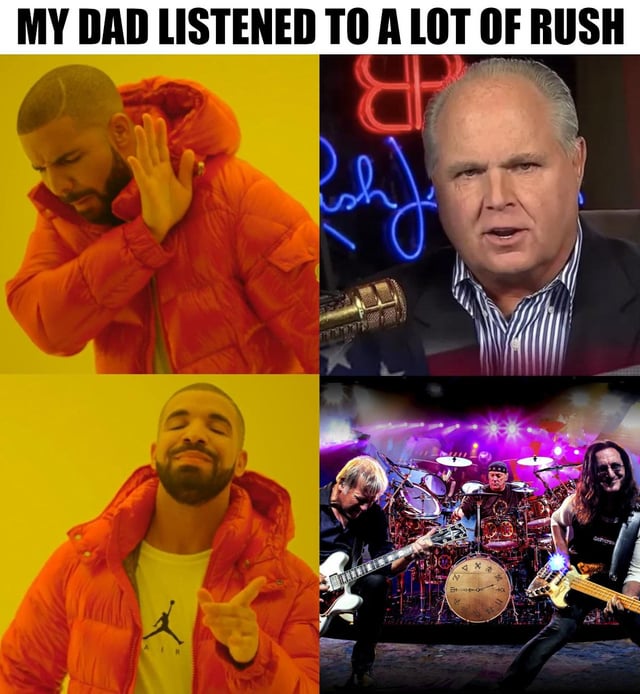
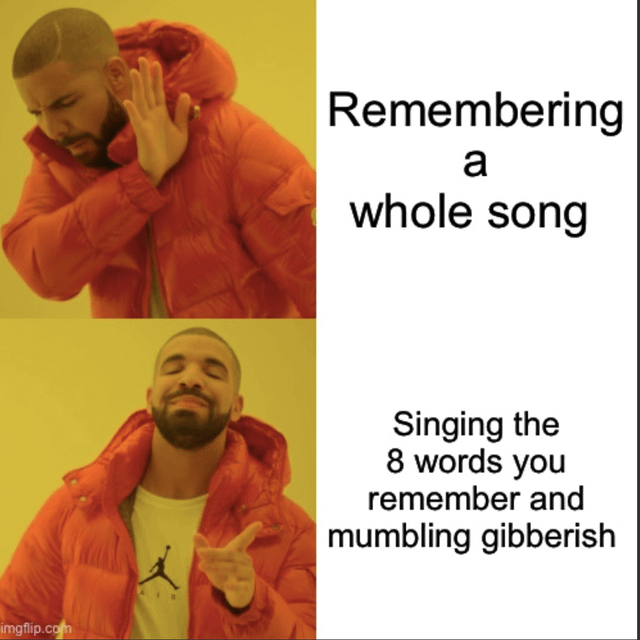
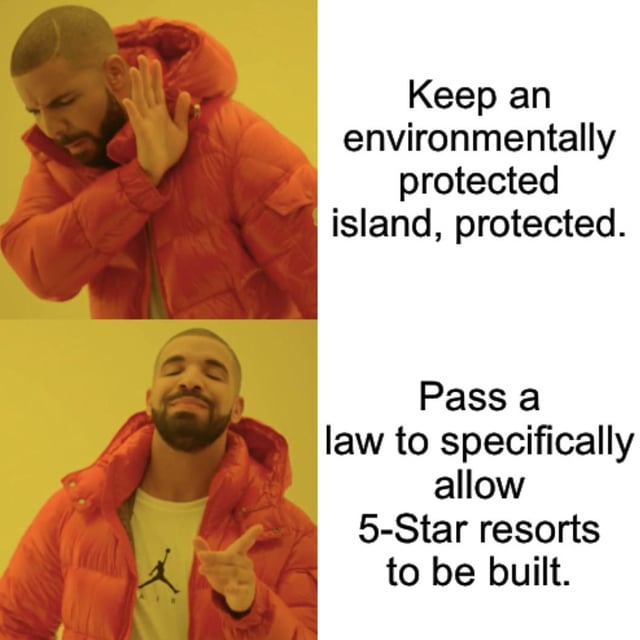
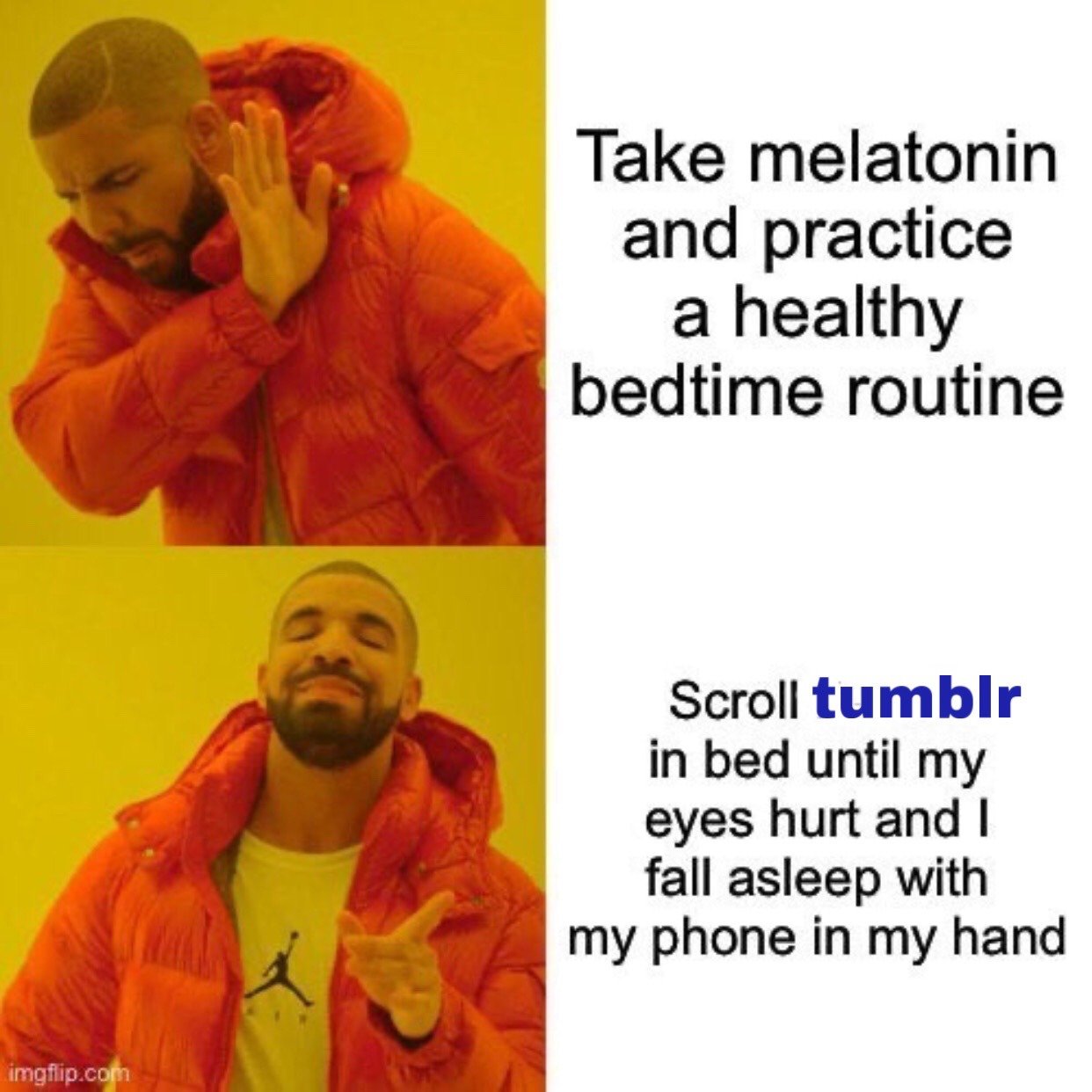
The format is durable because it compresses a whole argument into posture. The top panel is usually a hand-up refusal, side-eye, or visible discomfort. The bottom panel is a smile, point, nod, or relaxed approval. That simple visual grammar turned Drake into a universal toggle switch for taste, hypocrisy, fandom loyalties, tech complaints, workplace habits, political commentary, and everyday irrational preferences.
Origin And Source
"Hotline Bling" was released as a Drake single in July 2015, and its Director X music video premiered in October 2015 through Apple Music before spreading widely through YouTube and entertainment coverage.1 The video places Drake inside stark, brightly lit rooms inspired by minimalist light-and-color installation aesthetics, giving his movements a clean silhouette that is easy to crop, isolate, and remix.2
The original meme fuel was not just the song but the video's unusually meme-ready choreography. Entertainment sites quickly noticed fans turning Drake's dancing into mashups and reaction jokes, pairing his movements with different songs, fandom references, and everyday scenarios.3 Those early dance edits helped establish the video as a public internet object, while later still-image edits made it into a more flexible image macro template.
Drakeposting
"Drakeposting" refers to using stills from the Hotline Bling video as reaction images or exploitable panels. Know Your Meme traces the reaction-image use to 4chan, with early appearances in late 2015 and a broader spread through imageboard culture in early 2016.4 The term eventually came to cover the familiar two-panel preference meme: Drake rejects one thing in the top half and approves another in the bottom half.
The format's joke is usually built from contrast:
| Panel | Visual cue | Usual meaning |
|---|---|---|
| Top | Drake turning away, raising a hand, or looking unimpressed | No, boring, wrong, too normal, too honest |
| Bottom | Drake smiling, pointing, nodding, or leaning in | Yes, preferred, absurdly specific, secretly relatable |
Because the panels are easy to label, the meme works with almost any topic. It can compare serious policy choices, bad software habits, fandom preferences, money decisions, classroom behavior, food opinions, or the kind of extremely specific personal habit that becomes funny only when presented with complete confidence.
Meme Characteristics
The main visual identifiers are Drake in a red or orange puffer jacket, a yellow or warm-colored background, and two matched reaction poses. Most versions use a square or vertical 2x2 layout, with Drake on the left and captions, objects, logos, or screenshots on the right. Some versions keep the original music-video frames intact, while others replace Drake, redraw the panels, add logos over his face, or turn the structure into a four-panel comparison.
The template often carries one of three tones:
- Preference humor: rejecting a sensible option and approving a more chaotic or relatable one.
- Hypocrisy jokes: showing an institution, group, or person refusing the stated principle and approving the self-serving behavior.
- Absurd contrast: making two unrelated things funny by forcing them into the same yes/no decision.
The meme is especially common in tech and internet-culture jokes because the format lets users make a tiny hierarchy of preferences: Reddit search over native search, manual saves over autosave, ad-heavy wikis over readable information, or any other "the wrong thing works better" complaint.
Spread And Longevity
The Hotline Bling video became an immediate meme event in October 2015, with coverage highlighting Vine, Instagram, and social-media mashups of Drake's dancing.5 By 2016, the still-image "Drakeposting" template had moved beyond music-video parody into a general-purpose reaction format. Its simplicity kept it alive after the original video cycle faded: a two-panel Drake edit can be understood without knowing the song, the lyrics, or the music-video context.
The meme also influenced later "disapproval/approval" templates. Its structure appears in many spiritual successors where a character, celebrity, or edited face rejects one label and approves another. Even when Drake is replaced, the underlying grammar often remains recognizably "Drakeposting": a top-panel no, a bottom-panel yes, and a joke about what the poster values.
Variants
Notable variants include dance-sync edits, "Cat Drake" edits, brand or platform logos pasted over Drake, blank customizable templates, and pop-culture mashups such as "Wii Shop Bling." The meme also appears in platform-specific forms: Reddit examples often lean into self-referential site habits, Twitter/X versions favor quick topical commentary, and imageboard versions historically used the still as a blunt reaction image.
On Gagbase, the work page should anchor memes that visibly use the Hotline Bling video or its Drake preference panels. The character page for Drake can handle the visible performer relation, while narrower future origin pages could separate "Drakeposting" or a specific template variant if the site later wants a dedicated origin entry.
Related Meme Culture
Hotline Bling (music video) sits at the crossroads of music-video virality and image-macro logic. It belongs with other reaction templates that turn a recognizable performer into a reusable stance, but it is unusually efficient: two stills are enough to show taste, contradiction, denial, and confession. That efficiency is why the meme still reads instantly years after the original video became old internet history.
-
Wikipedia, "Hotline Bling", for song release, music-video release context, director, chart history, and later parody notes. ↩
-
Pitchfork, "Drake Dances in His 'Hotline Bling' Video", October 19, 2015. ↩
-
Vogue, "The Funniest Memes Inspired by Drake's 'Hotline Bling' Video", October 2015. ↩
-
Know Your Meme, "Drakeposting", for the 4chan/imageboard origin summary, term history, and spread notes. ↩
-
Time, "Drake's 'Hotline Bling' Video Inspired Some Incredible Dancing Memes", October 2015. ↩
![This is a two-panel variation of the popular Drake Hotline Bling reaction meme. The upper panel displays Drake making a dismissive, rejecting hand gesture next to the label 'AI', signifying that the creator does not prefer using artificial intelligence to find solutions to their problems. The lower panel shows Drake smiling and pointing approvingly next to text that reads '[deleted], 7 years ago having the exact same problem as me', referencing the extremely common internet user experience of finding a years-old, now-deleted forum, social media, or support thread made by someone who faced the exact same issue they are currently troubleshooting, which is often seen as far more useful and relevant than generic AI-generated responses.](https://gagbase.com/i/c/memes/3e/18/31/4a/3e18314a2cdbf9fefa758d6664f51c2c.jpeg.webp)