Summary
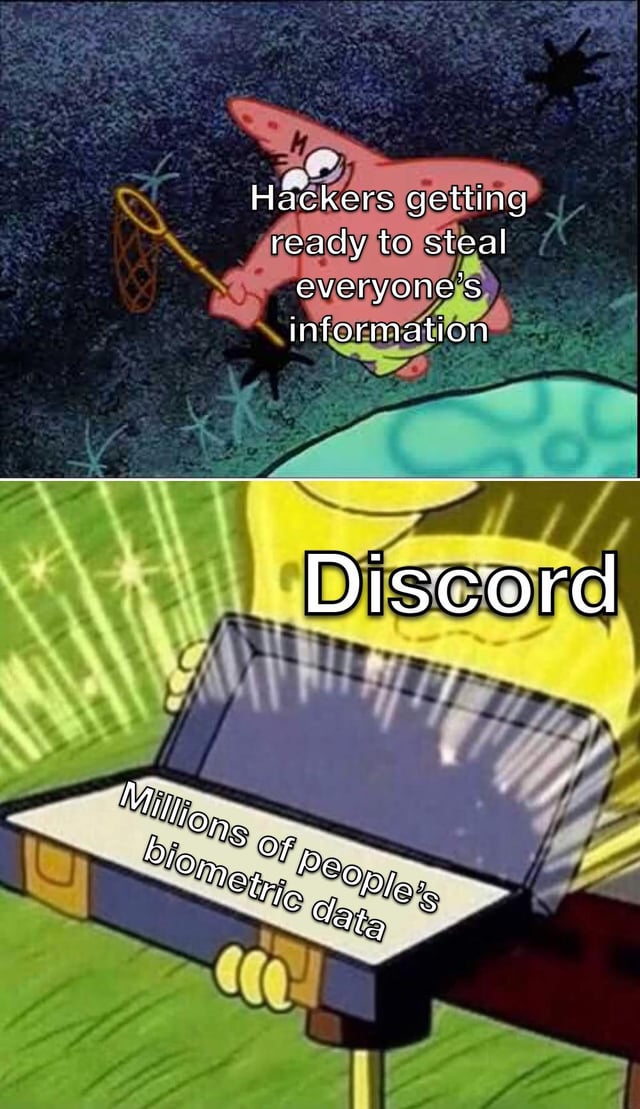
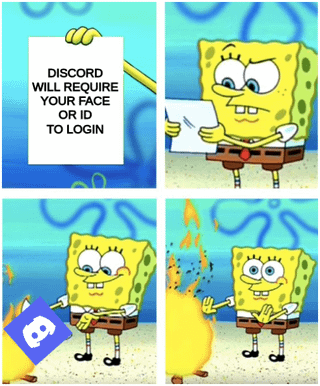
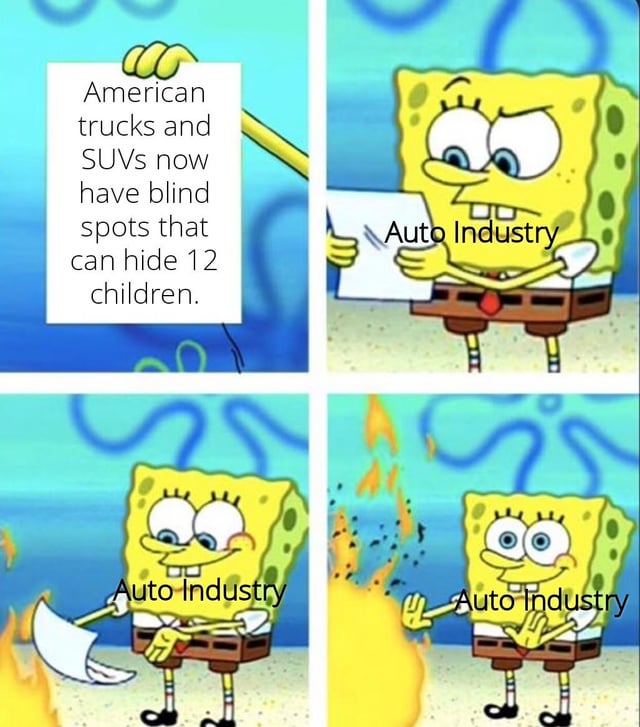
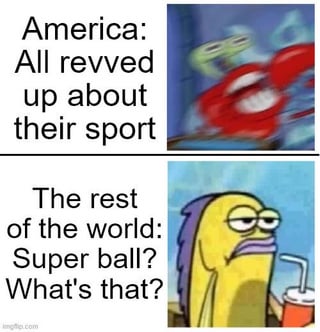
SpongeBob SquarePants is the Nickelodeon animated series whose exaggerated expressions, quotable scenes, and long online afterlife made it one of the internet's richest meme sources. Created by Stephen Hillenburg, the show supplies templates for mockery, awkward exits, panic, burnout, imagination, social anxiety, and absurd pop-culture comparison. Its meme value comes from instantly legible frames: SpongeBob, Patrick, Squidward, Mr. Krabs, and the wider Bikini Bottom cast can carry jokes far outside the show. This work page should anchor memes tied to the series as source material, with character pages handling specific visible subjects.
Description
Overview
SpongeBob SquarePants is the Nickelodeon animated series that turned Bikini Bottom into one of the internet's most reusable visual languages. Created by Stephen Hillenburg, the show follows SpongeBob, Patrick, Squidward, Mr. Krabs, Sandy, Plankton, and a large supporting cast through bright, absurd, emotionally elastic cartoon situations. For meme culture, the series matters because almost every mood has a frame: smug certainty, sudden panic, exhausted resignation, childish delight, awkward silence, theatrical sadness, and the urge to leave immediately.
As a Gagbase work page, this entry covers the show as the source property. Individual character pages should handle memes centered on SpongeBob, Patrick, Squidward, or other specific figures, while origin/template pages should handle named formats such as Mocking SpongeBob or Ight Imma Head Out.
Origin and TV Context
Hillenburg developed the idea from his background in marine biology and animation. Nickelodeon Animation notes that he created an early "Bob the Sponge" concept in 1984 while teaching marine biology at the Orange County Ocean Institute.1 The pilot episode "Help Wanted" aired on Nickelodeon in the United States on May 1, 1999, and Nickelodeon later treated July 17, 1999 as the public launch date of the series.23
The premise is simple enough for children and strange enough for adults: an optimistic sponge works at the Krusty Krab, lives in a pineapple, annoys his grumpy neighbor, and treats minor problems as operatic adventures. That emotional scale is one reason the show became meme-friendly. Screenshots rarely need much explanation; the face, pose, and context already do half the caption's work.
How It Became a Meme Engine
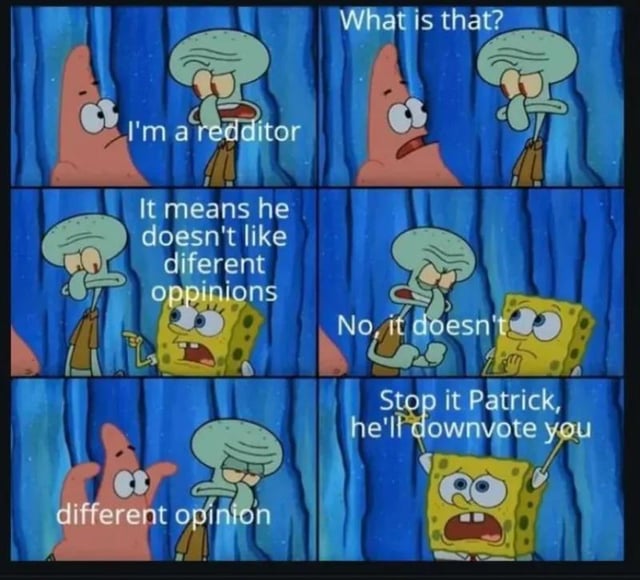
SpongeBob memes did not begin as a single format. They accumulated over years as older episode frames were rediscovered by image boards, Tumblr, Twitter/X, Reddit, Instagram, YouTube, and later TikTok. Know Your Meme's main SpongeBob entry classifies the show as a confirmed online subculture and catalogs many related formats, from early quote memes and YouTube edits to later reaction images.4
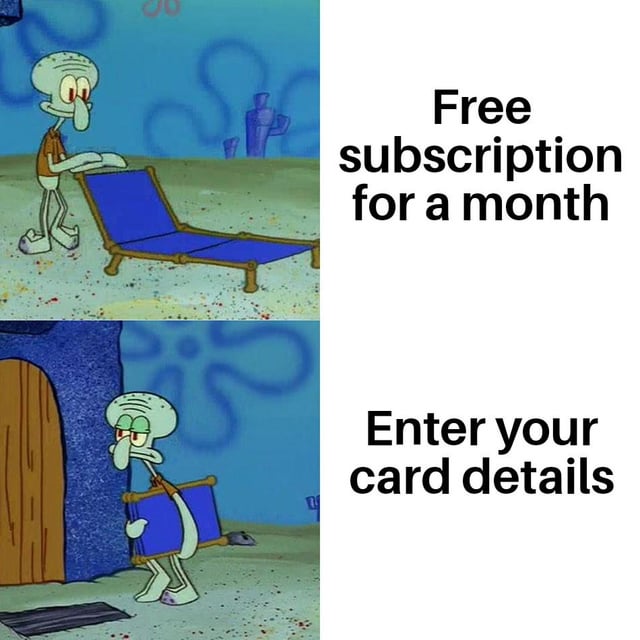
The 2010s made the show's meme role especially visible. Mocking SpongeBob, or Spongemock, uses a frame from "Little Yellow Book" to mock a statement, usually with alternating uppercase and lowercase letters.5 Ight Imma Head Out uses a chair scene from "The Smoking Peanut" as an exit reaction for awkward, boring, or doomed situations.6 SpongeGar / Primitive Sponge / Caveman SpongeBob turns a prehistoric version of the character into a panic or primal-instinct reaction.7
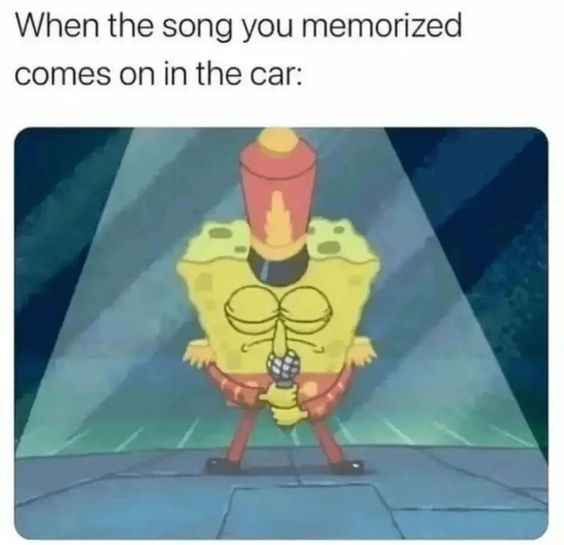
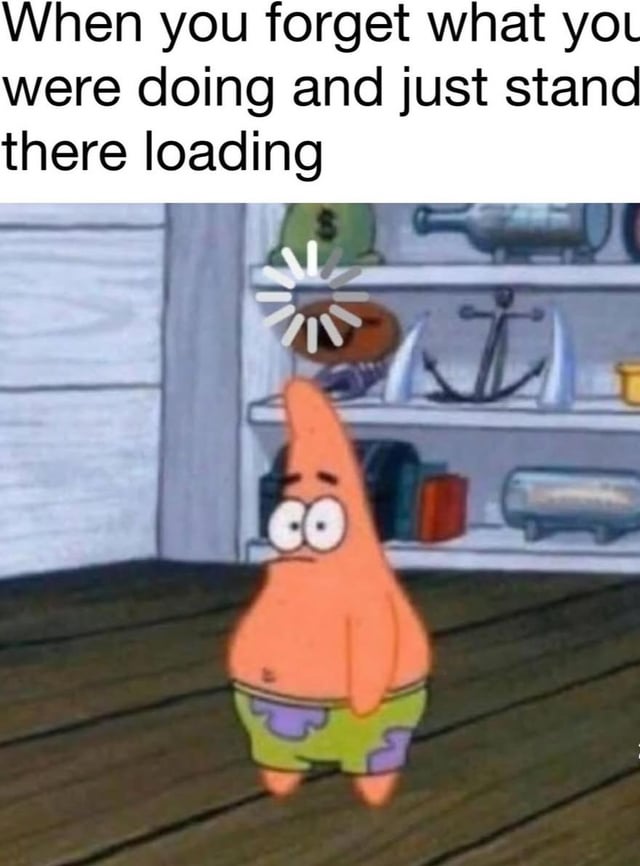
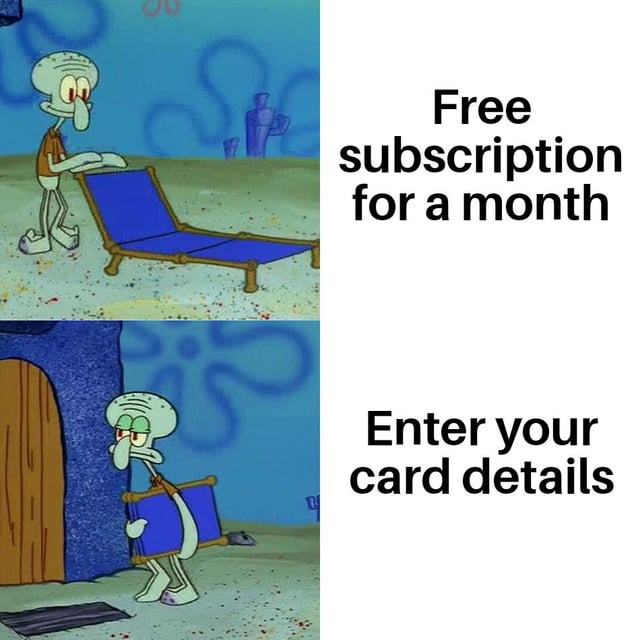
Mainstream coverage also treated SpongeBob as unusually productive meme material. Time's 2019 guide argued that SpongeBob had become hard to avoid on social media and highlighted the show's repeated, specific formats as a major reason it outperformed many other pop-culture sources in meme reuse.8 Nickelodeon itself acknowledged the feedback loop in its 20th-anniversary material, listing "pop culture catchphrases and memes" among the franchise's cultural milestones and even promoting collectible figures based on fan-favorite viral moments.3
Common Meme Traits
| Trait | How it appears in memes | Common use |
|---|---|---|
| Extreme expressions | Wide eyes, blank stares, strained smiles, exhausted faces | Reaction images for anxiety, disbelief, burnout, or awkwardness |
| Simple silhouettes | SpongeBob's square body, Patrick's star shape, Squidward's long face | Fast recognition in thumbnails, collages, and low-resolution reposts |
| Work and school settings | Krusty Krab scenes, tests, lessons, customer-service moments | Jokes about jobs, school, bureaucracy, deadlines, and unfair bosses |
| Childlike sincerity | SpongeBob's optimism and literal-mindedness | Wholesome encouragement, fake confidence, naive enthusiasm |
| Surreal escalation | Tiny problems treated as epic disasters | Exaggerated reactions to mundane adult problems |
| Ensemble dynamics | SpongeBob, Patrick, Squidward, Mr. Krabs, Plankton, background fish | Comparison memes, social-role labels, group reactions |
Notable Meme Families
- Mocking SpongeBob / Spongemock: a mocking image macro and text style built around alternating caps.
- Ight Imma Head Out: an exit-reaction template for refusing a situation or mentally checking out.
- Imagination SpongeBob: a rainbow-hand gesture used for imaginary possibilities, sarcastic optimism, and fake wonder.
- Caveman SpongeBob / SpongeGar: a stress, panic, or instinctive-survival reaction.
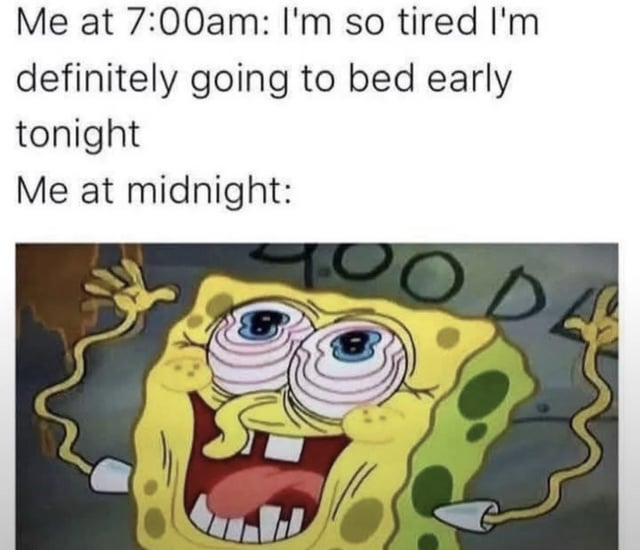
- Tired SpongeBob: exhausted frames used for school, work, social fatigue, and overexertion.
- Handsome Squidward: a Squidward transformation used for attractiveness, cursed beauty, remixes, and exaggerated confidence.
- No, This Is Patrick: a Patrick phone-call quote used as a correction, misunderstanding joke, or deadpan reply.
- Krusty Krab vs. Chum Bucket: a comparison structure for "good option vs. bad option" or beloved brand vs. inferior rival jokes.
Role in Internet Culture
The show works online because it bridges nostalgia and utility. Many users first encountered SpongeBob SquarePants as a childhood cartoon, but they reuse it as adults to describe rent, school, dating, work, politics, fandom, gaming, mental health, and internet drama. That contrast gives the memes their tone: a bright children's cartoon can make an adult complaint feel less harsh, more absurd, and easier to share.
SpongeBob also benefits from being modular. The same source property can support a caption meme, a reaction image, a quote reply, a deep-fried edit, a GIF, a template redraw, a fan animation, or a commercial reference. A viewer does not need to know the exact episode to understand the feeling. The show supplies the expression; the internet supplies the situation.
Gagbase Curation Notes
Use this work page for memes whose source material is broadly SpongeBob SquarePants, especially when several Bikini Bottom characters appear or when the caption depends on the show's setting. Use the character page when a meme is clearly centered on a single visible character such as SpongeBob, Patrick, Squidward, Mr. Krabs, Plankton, or Sandy.
Do not force every underwater cartoon or yellow-square reference into this work page. It should be linked when the image, caption, template name, or source context clearly points to the Nickelodeon series. For named formats, pair this work with the more specific origin/template page when one exists.
Trivia
- SpongeBob meme formats often outlive the viewer's memory of the episode they came from.
- Many popular templates are not jokes about the plot of the show; they use the show as emotional punctuation.
- The series is unusually friendly to both wholesome and sarcastic meme usage.
- Nickelodeon has officially leaned into the meme afterlife of the franchise, including merchandise based on viral SpongeBob formats.
-
Nickelodeon Animation Studios, "SpongeBob SquarePants". ↩
-
Wikipedia, "Help Wanted (SpongeBob SquarePants)". ↩
-
Paramount / Nickelodeon, "Nickelodeon Marks 20 Years of SpongeBob SquarePants with the 'Best Year Ever'", February 11, 2019. ↩↩
-
Know Your Meme, "SpongeBob SquarePants". ↩
-
Know Your Meme, "Mocking SpongeBob". ↩
-
Know Your Meme, "Ight Imma Head Out". ↩
-
Know Your Meme, "SpongeGar / Primitive Sponge / Caveman Spongebob". ↩
-
Time, "Your Comprehensive Guide to the Best Spongebob Memes Across the Internet's Sea", September 19, 2019. ↩