Summary
The Boys is Prime Video's satirical superhero series and a major source of English-language reaction memes. Its internet value comes from the gap between polished superhero imagery and grotesque corporate cynicism: Homelander's fake composure, The Deep's pseudo-profound thoughts, Billy Butcher's blunt confrontations, Soldier Boy's retro bravado, and Vought's propaganda-like branding. On Gagbase, this work page should anchor memes visibly sourced from the show, while recurring characters and named templates can support narrower pages for Homelander, The Deep, Soldier Boy, A-Train, and other formats.
Description
Overview
The Boys is the Prime Video superhero satire that turned corrupt capes, corporate propaganda, and celebrity-style villainy into a steady source of reaction images. The series follows ordinary people trying to expose "The Seven" and Vought International, a company that markets superheroes as gods, politicians, influencers, and products while hiding the damage they cause.1
As a Gagbase work page, The Boys should anchor memes visibly sourced from the Amazon series: Homelander reaction stills, The Deep image macros, Billy Butcher quote edits, Soldier Boy comparisons, A-Train side-eyes, Black Noir reaction images, and fandom jokes about Vought's grotesque branding. Specific character pages should handle recurring subjects such as Homelander, The Deep, Soldier Boy, A-Train, Billy Butcher, Starlight, and Queen Maeve.
Source And Premise
The television series was developed by Eric Kripke for Amazon Prime Video and is based on the comic by Garth Ennis and Darick Robertson.2 Prime Video's own description frames the show as an irreverent story about superheroes who are treated like celebrities, politicians, and gods, but who abuse power instead of using it for good.1
That premise is unusually meme-friendly. The show gives viewers familiar superhero imagery, then twists it into workplace cynicism, political spectacle, corporate spin, fandom discourse, and uncomfortable social behavior. A single still can read as "evil Superman," "boss with too much power," "company pretending everything is fine," or "me trying not to react."
Meme-Culture Development
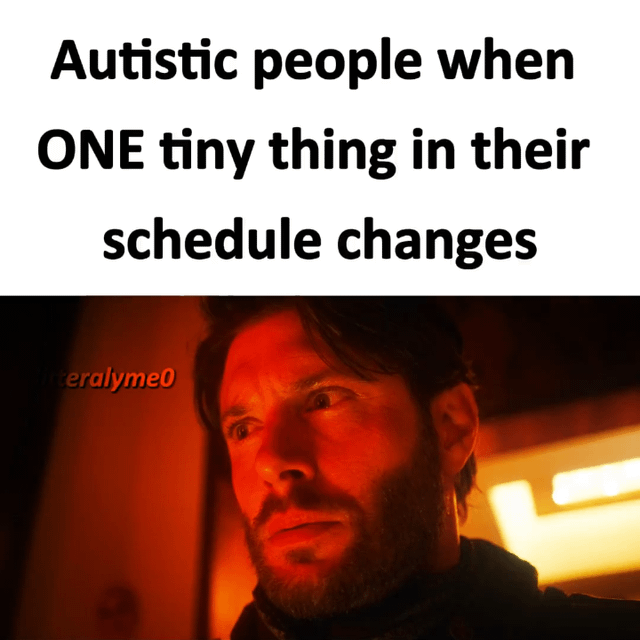
Know Your Meme lists The Boys as a confirmed subculture entry and notes that the comic and TV adaptation gained notable popularity in memes after the show's premiere.3 The fandom quickly treated the show less like a normal superhero story and more like a library of expressive reaction material. Its faces, costumes, press-conference scenes, parody ads, and in-universe propaganda all look polished enough to read instantly, but deranged enough to carry jokes about hypocrisy.
The most durable Gagbase-style uses are not plot summaries. They are templates:
| Meme source | Visual cue | Common use |
|---|---|---|
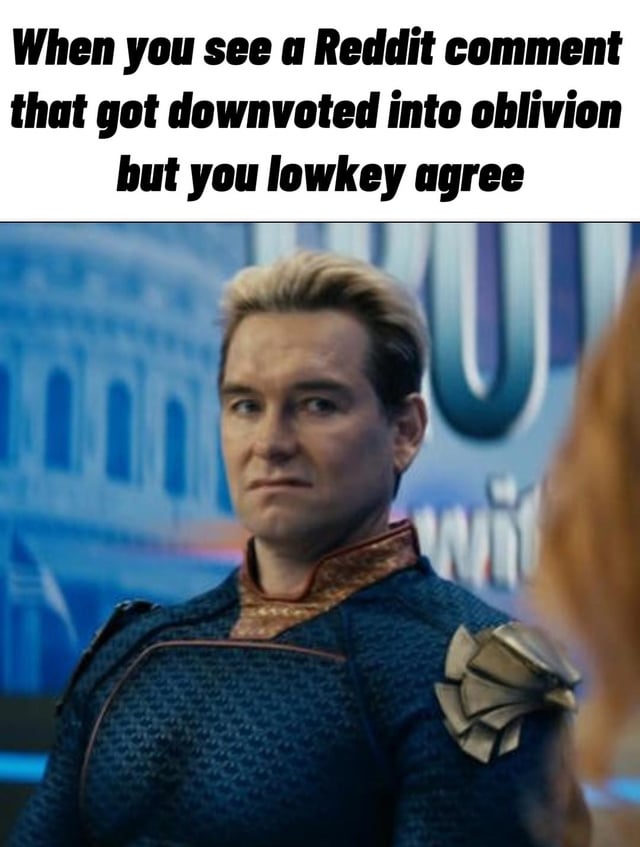
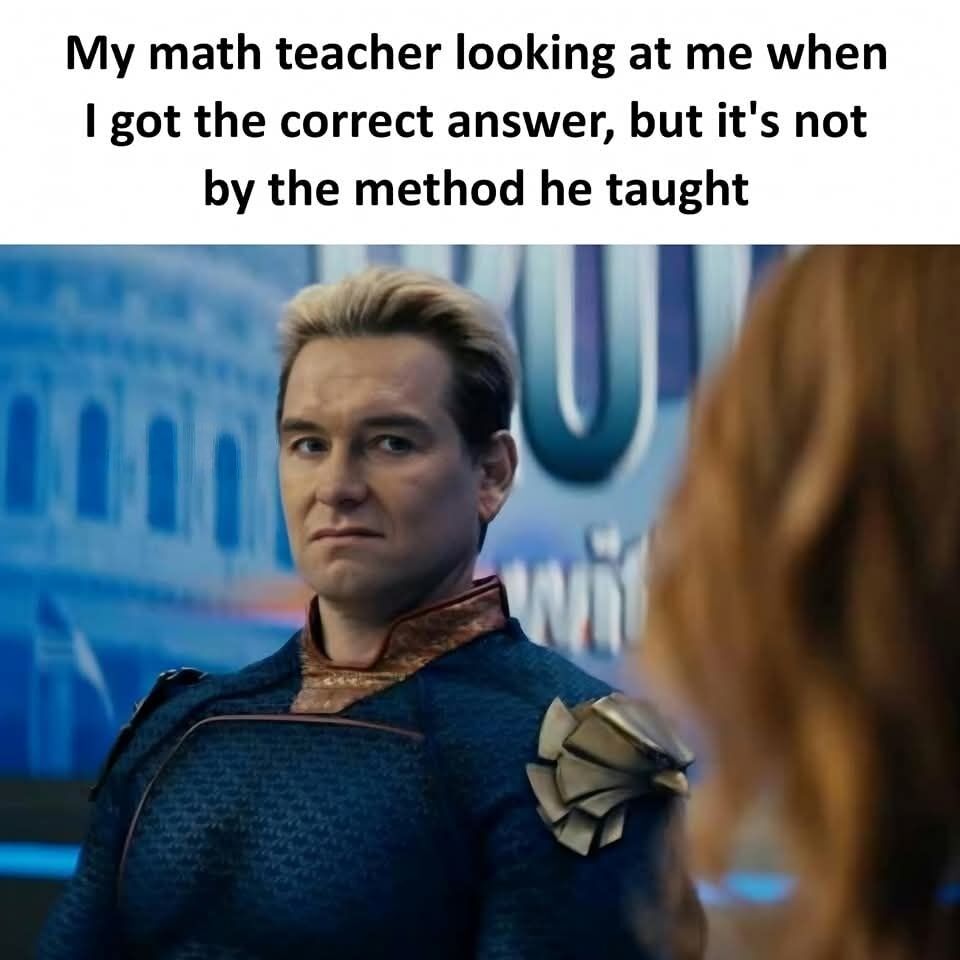
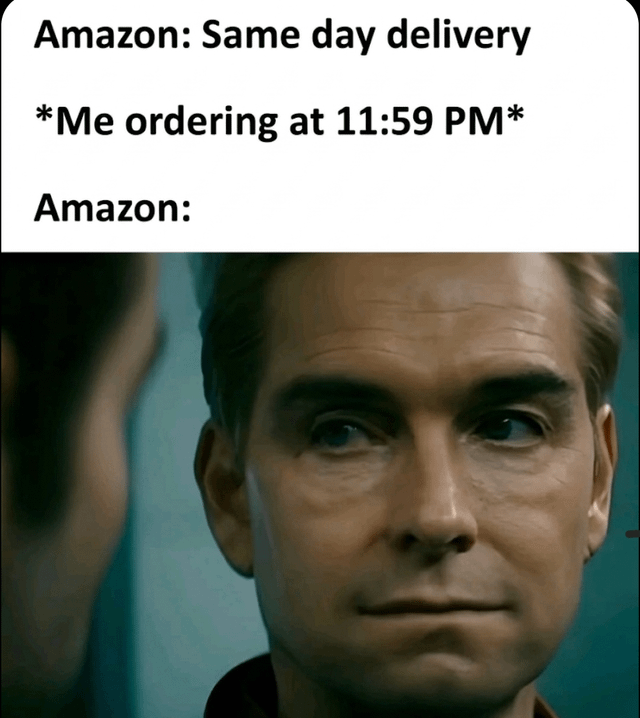
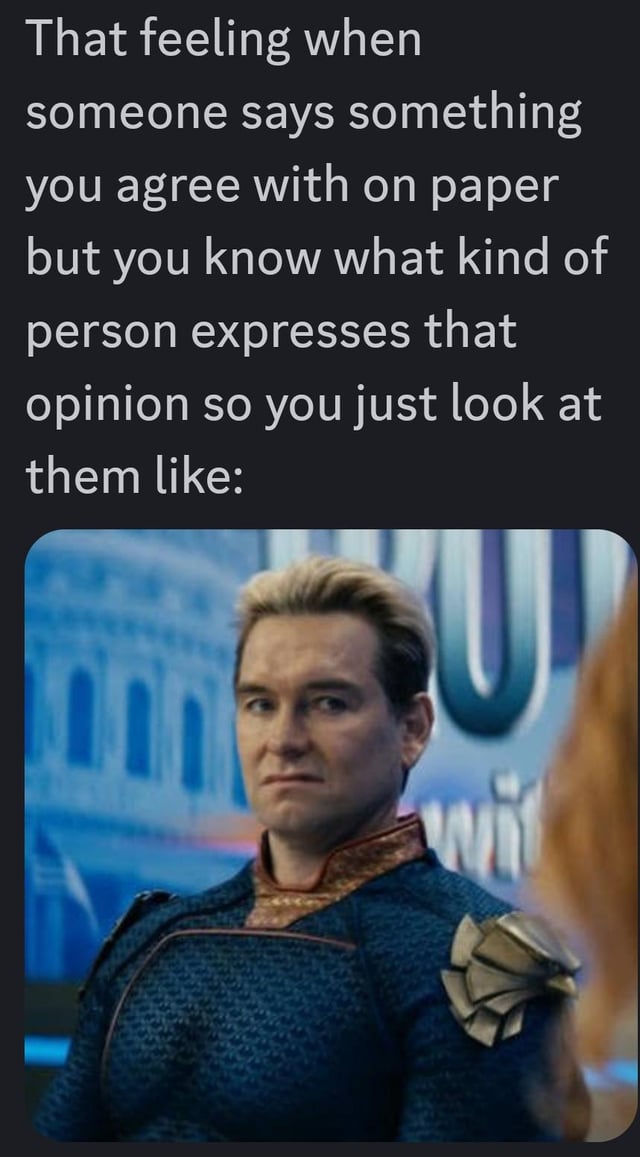
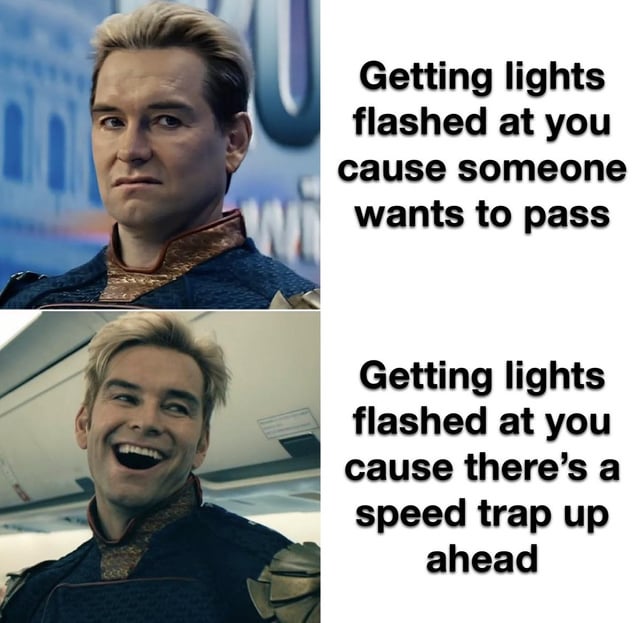
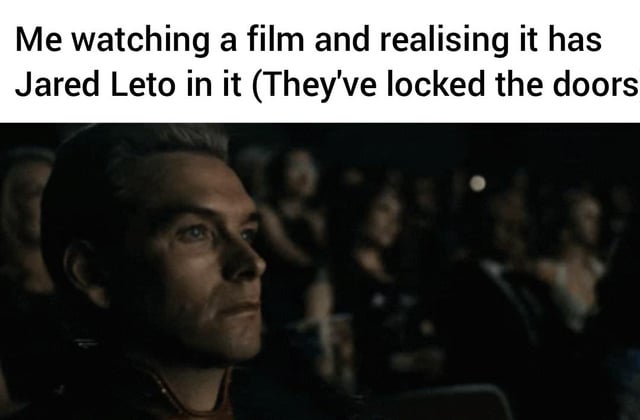
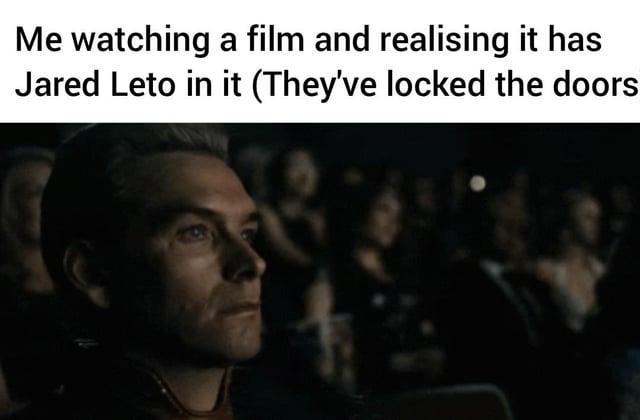
| Homelander | fixed smile, dead-eyed stare, rage, fake composure | arrogance, suppressed anger, bad-faith power, awkward realization |
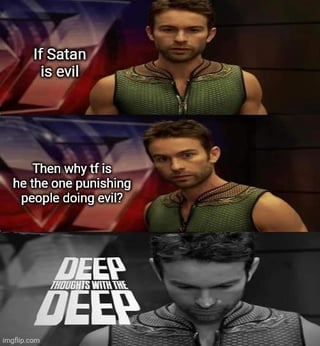
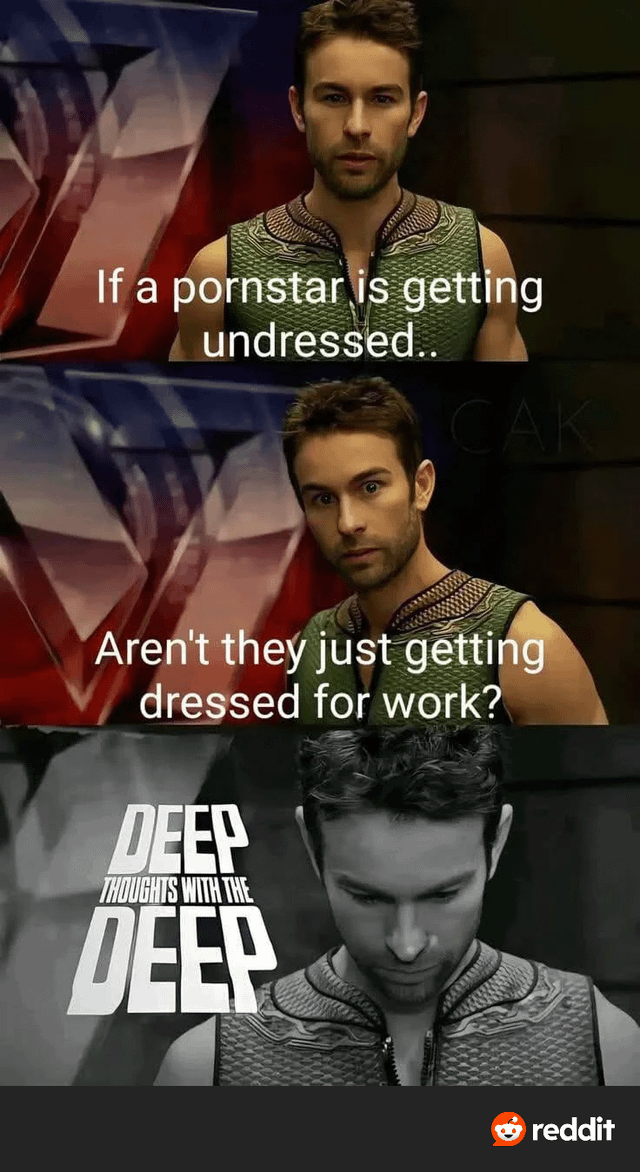
| The Deep | faux-philosophical three-panel layout | shower thoughts, bad logic, pseudo-profound jokes |
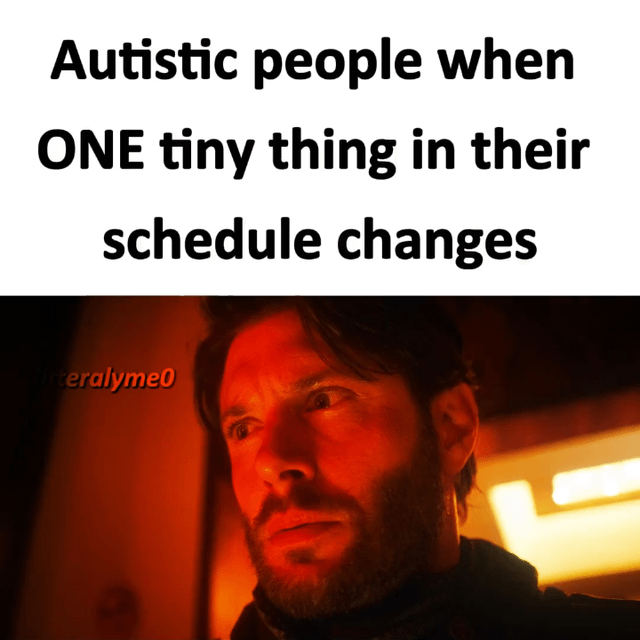
| Billy Butcher | aggressive stare, blunt captions, "oi" edits | confrontation, intimidation, exaggerated British toughness |
| Soldier Boy | old-fashioned confidence, gruff expressions | generational jokes, macho nostalgia, power-scaling edits |
| A-Train | suspicious or irritated side-eye | judging couples, hypocrisy, uncomfortable social observations |
| Black Noir | silent masked reaction | gamer sadness, stoic disappointment, wordless resignation |
Homelander As The Main Reaction Engine
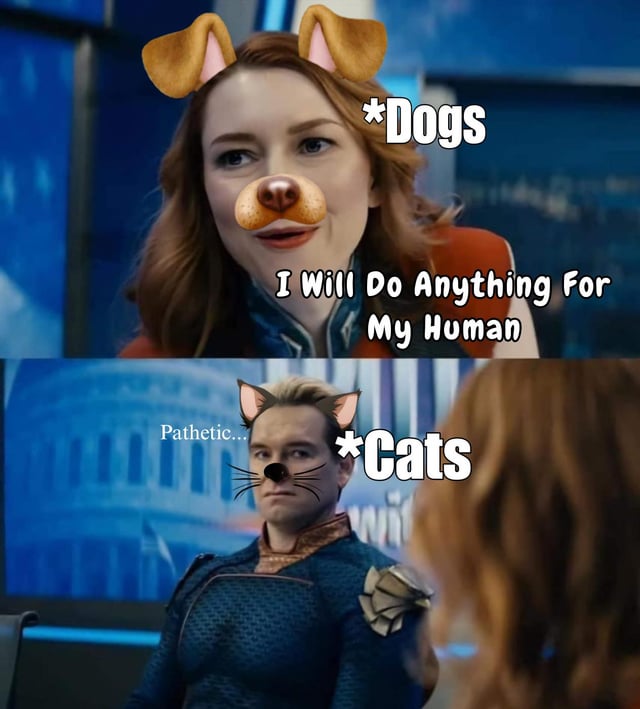
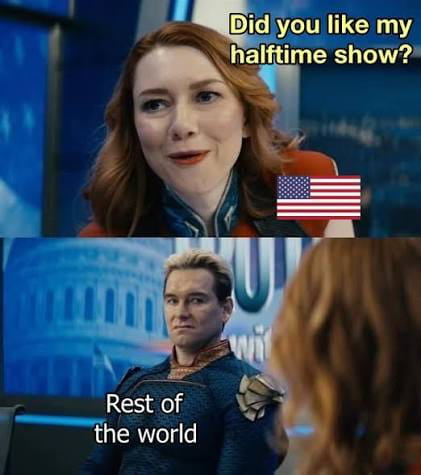
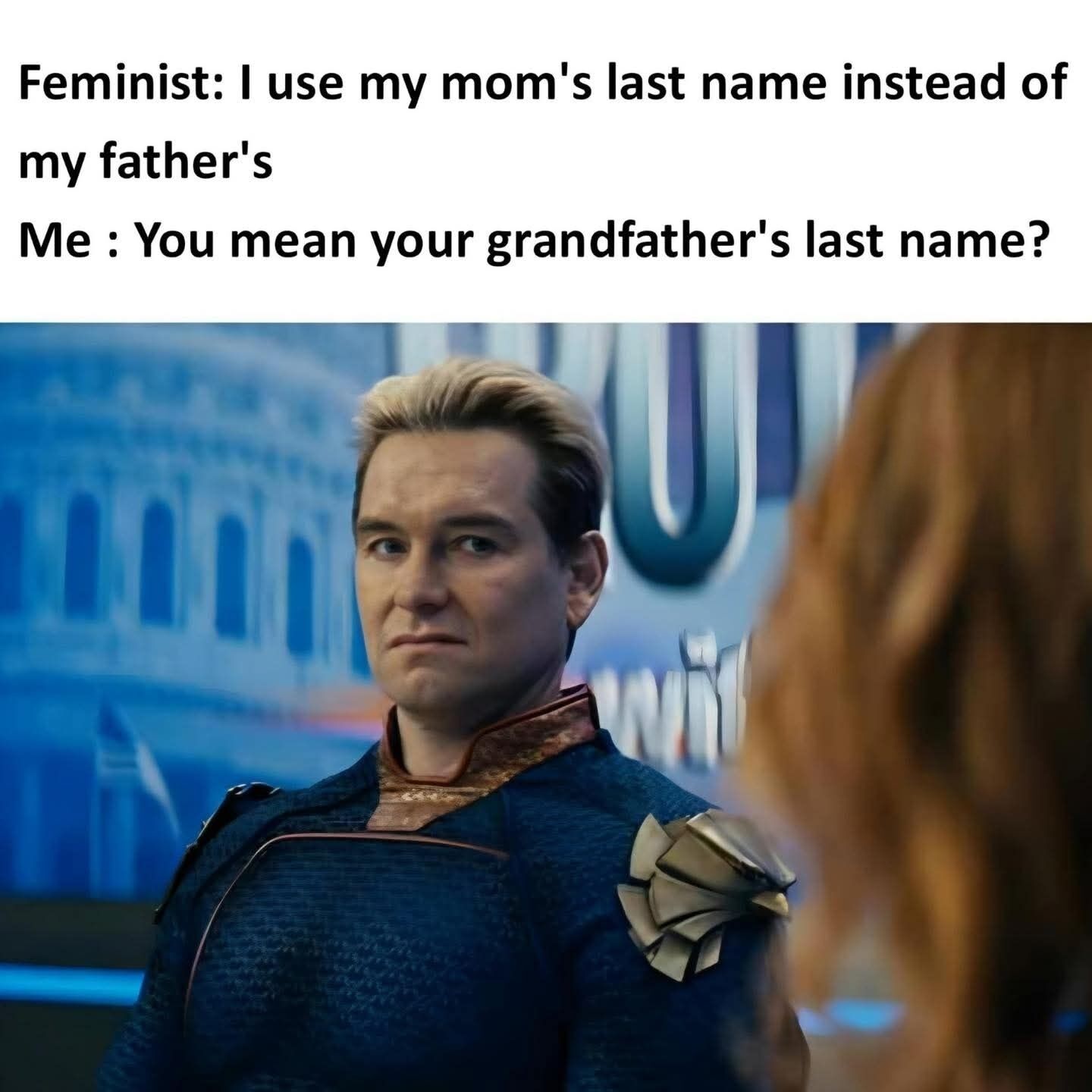
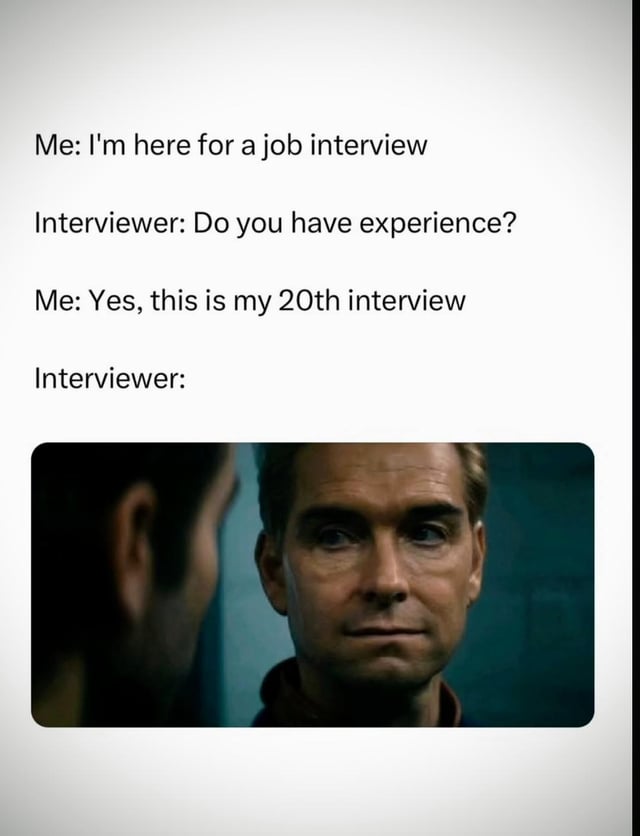
Homelander is the work's central meme character. Know Your Meme describes him as a dark Superman-like antagonist whose scenes and expressions have become meme material, including formats such as Stressed Homelander and Homelander Gets Applause.4 On Gagbase, Homelander stills most often work as a shorthand for entitled confidence, barely concealed disgust, dangerous authority, or a person trying to look normal while clearly losing control.
The format is flexible because Homelander's visual language is already contradictory. He looks heroic at first glance: cape, flag colors, clean hair, bright lighting. His expression often says the opposite: contempt, panic, resentment, or hollow approval. Meme makers use that mismatch to describe bosses, corporations, politicians, fandoms, tech companies, streaming services, dating situations, and personal bad decisions.
The Deep And Pseudo-Profound Humor
The Deep became a separate meme lane through Deep Thoughts With The Deep. Know Your Meme documents it as an exploitable image macro that came from a Vought International video connected to season three and spread as a three-panel social-media format in 2022.5 The joke depends on presenting shallow or ridiculous questions as if they were profound.
This makes The Deep especially useful for captions that are technically "thoughts" but not wisdom: grammar loopholes, fake philosophy, bodily humor, relationship contradictions, and shower-thought logic. The title itself does half the work, because "deep" is both the character name and the genre of mock-philosophical insight.
Common Formats And Captions
The Boys memes usually fall into a few repeatable categories:
- Reaction images: Homelander, A-Train, Black Noir, and Soldier Boy represent a feeling without needing much caption setup.
- Corporate satire: Vought imagery and Homelander's public persona fit jokes about companies pretending unethical behavior is inspiring.
- Power comparisons: Homelander and Soldier Boy are often dropped into absurd matchups with unrelated fictional characters.
- Fandom self-parody: Fans use the show's violence, politics, and shocking scenes to joke about the series itself.
- Fake profundity: The Deep turns simple or dumb observations into a branded "thought" format.
- Quote edits: Billy Butcher's blunt dialogue and exaggerated dialect make him useful in confrontational captions.
The show also lends itself to topical memes because its world is already a parody of media cycles. A meme can swap Vought for a real company, Homelander for a public institution, or The Seven for any self-important organization, and the satire remains legible.
Visual Identifiers
The strongest The Boys memes usually include one or more of these identifiers:
- Homelander's red-white-and-blue suit, gold eagle shoulders, cape, or frozen smile.
- Vought International branding, corporate ads, press stages, or patriotic lighting.
- The Deep in the three-panel "Deep Thoughts" arrangement.
- Billy Butcher with a hard stare, black coat, beard, or confrontational text.
- Soldier Boy's green suit, shield, and old-warrior pose.
- The Seven's superhero costumes contrasted with mundane or cynical captions.
Because the show is live-action and visually glossy, stills from it can pass as high-drama reaction images even when the caption is trivial. That contrast is the core of its internet value.
Gagbase Scope
This page should be treated as the source-work anchor for memes visibly taken from the Prime Video series. It should not absorb every generic "boys" joke, every superhero meme, or every comic-book satire. Use this work when the image shows a recognizable The Boys scene, character, Vought asset, quote, costume, or fandom reference.
For cleaner browsing, recurring subjects should still get narrower pages: Homelander for the main reaction persona, The Deep for the pseudo-philosophy format, Billy Butcher for quote edits, and future origin pages for named templates that become large enough to stand alone. The work page is the umbrella; the meme formats are the sharp edges.
-
Prime Video, The Boys official series page, for the official premise, cast listing, 2019 release context, and season listing. ↩↩
-
Wikipedia, The Boys (TV series), for development, source-comic, creator, and release background. ↩
-
Know Your Meme, The Boys, for the subculture entry, comic background, online presence, and related meme entries. ↩
-
Know Your Meme, Homelander, for Homelander's meme status and common reaction formats. ↩
-
Know Your Meme, Deep Thoughts With The Deep, for the format's origin, spread, and image macro structure. ↩