Summary
Drake is the visible performer behind the Hotline Bling approval/disapproval meme: the puffer-jacket figure who rejects one option and approves another. Online, his music-video poses became a compact language for preference jokes, hypocrisy, self-own humor, and everyday internet comparisons. The character page should anchor memes where Drake himself is visible in the template, while the Hotline Bling work page covers the source video and a future Drakeposting origin page could handle the format as a standalone meme format with its own history.
Description
Overview
Drake is the visible performer and reaction-character at the center of the Hotline Bling meme template. In Gagbase terms, this page covers Drake as he appears in the 2015 music video: the orange or red puffer jacket, the bright minimal background, the hand-up rejection pose, and the smiling approval pose that became shorthand for "no to this, yes to that."
The character is not just a celebrity cameo inside a meme. The template turns Drake into a readable two-state interface for taste, hypocrisy, preference, denial, and oddly specific internet behavior. One panel refuses the obvious or socially expected option; the other embraces the messy, selfish, smarter, stranger, or more relatable alternative. That simple visual logic is why Drake's Hotline Bling persona still works even when viewers do not remember the song itself.
Source And Identity
Drake is the stage name of Aubrey Drake Graham, a Canadian rapper, singer, songwriter, actor, and pop-culture figure who first became widely known as Jimmy Brooks on Degrassi: The Next Generation before his music career became globally dominant.1 For meme culture, however, the most important version of Drake is the one captured in Director X's video for "Hotline Bling."
"Hotline Bling" was released in 2015, and its music video premiered in October of that year.2 The clip places Drake in clean, color-blocked rooms where his gestures are easy to isolate. Entertainment coverage immediately noticed that the video had meme fuel: fans clipped and remixed Drake's dancing, put him against unexpected music, and turned his movements into punchlines almost as soon as the video appeared online.3
From Performer To Reaction Character
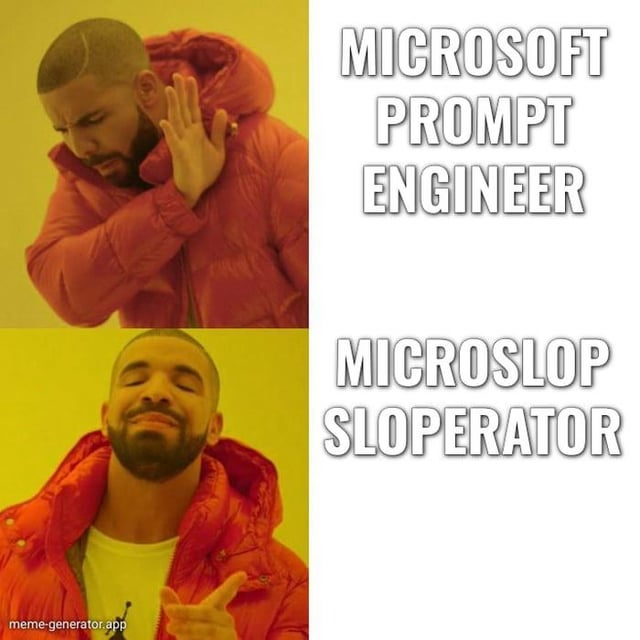
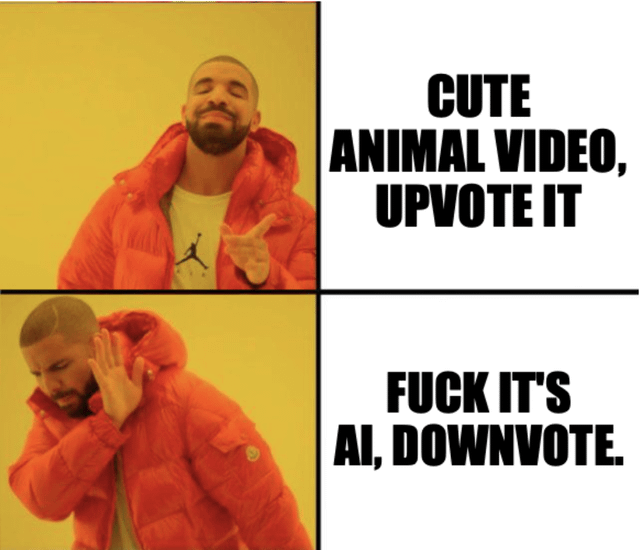
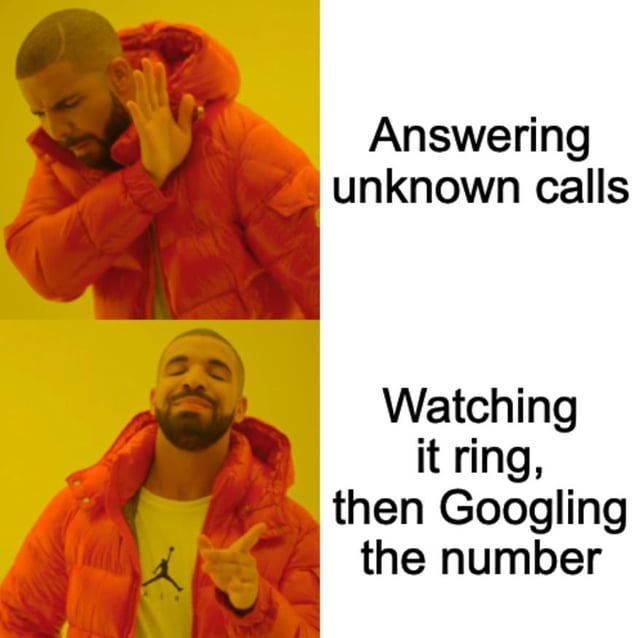
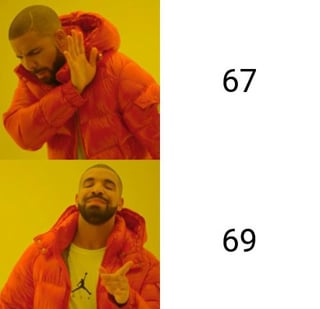
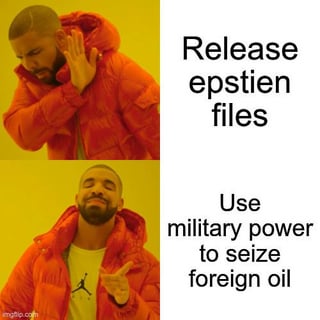
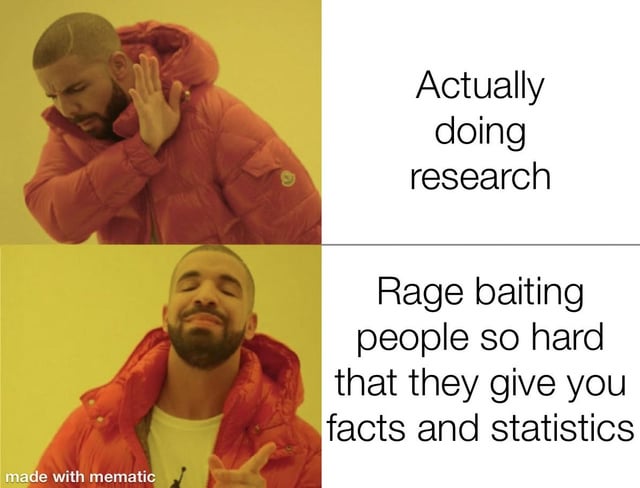
The meme version of Drake is built from a few highly legible poses. The hand-up, side-facing frame reads as refusal, discomfort, or "not this." The pointing or smiling frame reads as approval, desire, or "yes, exactly this." The contrast is so clear that the template rarely needs setup. A user can drop two labels beside the images and the joke lands.
Know Your Meme identifies "Drakeposting" as the use of stills from the Hotline Bling video as reaction images and exploitable panels, with early reaction-image circulation on 4chan in late 2015 and broader imageboard spread in early 2016.4 Over time, the stills became less about Drake as a musician and more about a reusable stance. Drake became the face of a miniature argument.
Meme Grammar
Most Drake memes use a two-panel or four-panel structure:
| Role | Common visual | Meme meaning |
|---|---|---|
| Rejection Drake | Hand raised, turning away, skeptical face | The boring, honest, sensible, or disfavored option |
| Approval Drake | Smiling, pointing, leaning in, relaxed face | The preferred, absurd, self-serving, or secretly relatable option |
The format is especially effective because it turns comparison into performance. The poster is not merely saying "A is worse than B." They are staging a tiny judgment call, with Drake's body language carrying the attitude. That lets the template handle jokes about software habits, school, dating, politics, fandom choices, shopping, search engines, productivity, and almost any situation where people choose the impractical thing with total confidence.
Common Uses
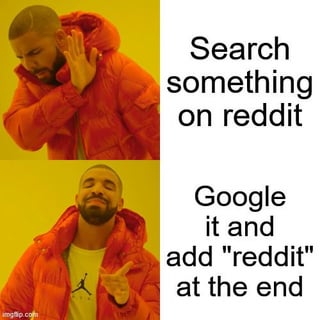
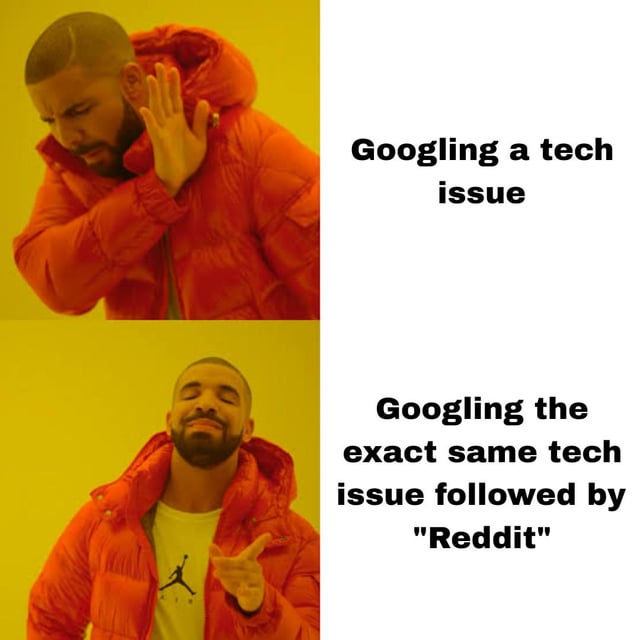
Drake's meme persona most often appears in preference jokes. A typical post rejects a normal behavior, then approves a more chaotic or specific one: trusting autosave versus manually saving a game many times, using Reddit's native search versus Googling a problem with "reddit" added, or deleting a song versus keeping it and skipping it forever.
The character also appears in hypocrisy jokes. Institutions, brands, governments, or fandoms can be visually placed into Drake's role: they reject the sensible public-facing choice, then approve the self-serving or contradictory one. Because Drake's expression is exaggerated but not too specific, the same template can feel light, smug, critical, or absurd depending on the captions.
A third common use is template self-awareness. Later memes compare the Drake format to other formats, replace Drake with another character, paste logos over his face, or use variants such as Cat Drake. Even when the person in the panels changes, the "Drake" grammar often remains recognizable: top-panel no, bottom-panel yes.
Visual Identifiers
The core identifiers are:
- Drake in a red or orange puffer jacket.
- Bright yellow, orange, pink, or white studio backgrounds.
- A hand-up rejection gesture or skeptical pose.
- A smiling, pointing, or approving pose.
- Captions or images placed beside Drake in a two-row comparison.
Some versions use screenshots directly from the music video, while others redraw the layout, crop the face, alter the body, or add brand logos and topic labels. The stronger the contrast between the two panels, the more recognizable the joke tends to be.
Spread And Longevity
The original Hotline Bling video was already a social-media event in 2015, with outlets covering Vine, Instagram, and broader remix culture around Drake's dancing.5 The later still-image format proved even more durable because it required less context than a video mashup. The audience only needed to understand the yes/no contrast.
By the late 2010s and into the 2020s, the Drake template had become part of the general meme vocabulary. It was simple enough for casual users, flexible enough for topical jokes, and visually iconic enough to survive overuse. Even when people complain that the format is old, they still understand it immediately, which is one reason it keeps returning.
Relationship To Drakeposting
"Drakeposting" can mean a broader practice of using Drake stills as reaction images, but in everyday meme usage it usually points to the approval/disapproval template. On Gagbase, the Hotline Bling (music video) work page anchors the source media, while this character page anchors the visible Drake persona. A future origin page could separately cover the template if the site wants a narrower entry for "Drakeposting" as a meme format.
This separation matters because the character and the template overlap without being identical. Drake as a meme character is the performer whose gestures make the format readable. Drakeposting is the community practice that turns those gestures into a reusable structure.
Related Variants
Important related variants include Cat Drake, Wii Shop Bling, blank customizable Drake templates, logo-over-face edits, and replacement-character versions inspired by the same approval/disapproval structure. The template also has many spiritual successors, from celebrity reaction comparisons to cartoon characters rejecting one option and approving another.
The lasting joke is that Drake's body language makes preference look both decisive and ridiculous. Whether the subject is a serious public issue or a tiny everyday habit, the character gives internet users a familiar way to admit: "I know which option I should choose, but this is the one I actually want."
-
Wikipedia, "Drake (musician)", for Drake's background as Aubrey Drake Graham, actor, rapper, singer, and public figure. ↩
-
Pitchfork, "Drake Dances in His 'Hotline Bling' Video", October 19, 2015. ↩
-
Vogue, "The Funniest Memes Inspired by Drake's 'Hotline Bling' Video", October 2015. ↩
-
Know Your Meme, "Drakeposting", for origin, imageboard spread, and the reaction/exploitable classification. ↩
-
Time, "Drake's 'Hotline Bling' Video Inspired Some Incredible Dancing Memes", October 2015. ↩