Summary
Homer Simpson is one of the most durable character subjects in English meme culture. His simple design, instantly readable expressions, and long history on The Simpsons make him useful for reaction images, laziness jokes, workplace satire, bad-decision humor, and emotional defeat. The most famous Homer template is Homer Simpson Backs Into Bushes, a GIF from the 1994 episode "Homer Loves Flanders" that became a shorthand for embarrassment, retreat, or quietly abandoning a position. This page covers Homer as a broad character meme anchor, while specific scene templates can be handled by separate origin pages.
Description
Overview
Homer Simpson is the yellow-skinned, donut-loving patriarch of The Simpsons and one of the most reusable character images in English-language meme culture. He works because he is instantly legible: a bald head, white shirt, blue pants, five-o'clock shadow, and a face that can move from smug confidence to total panic in a single frame. Online, Homer is less a single meme than a reaction-image toolkit for embarrassment, laziness, bad decisions, workplace exhaustion, dad logic, consumer cravings, and sudden social retreat.
The character first appeared with the Simpson family in the short "Good Night" on The Tracey Ullman Show on April 19, 1987. After the shorts, The Simpsons became its own Fox series beginning December 17, 1989.1 Homer is voiced by Dan Castellaneta and is usually framed as Marge's husband, Bart, Lisa, and Maggie's father, and an underqualified safety inspector at the Springfield Nuclear Power Plant.1 Those details matter to meme usage because Homer's internet identity depends on recognizable contradictions: he is irresponsible but affectionate, lazy but impulsive, foolish but strangely adaptable.
Why Homer Became Meme Material
Homer's strongest meme trait is emotional clarity. Many meme characters require a caption to tell viewers what they are feeling; Homer usually does not. His design and performance give image editors a wide range of pre-labeled moods:
| Meme mode | Common visual cue | Typical use |
|---|---|---|
| Retreat | Homer disappearing into a hedge | Embarrassment, abandoning a take, quietly leaving |
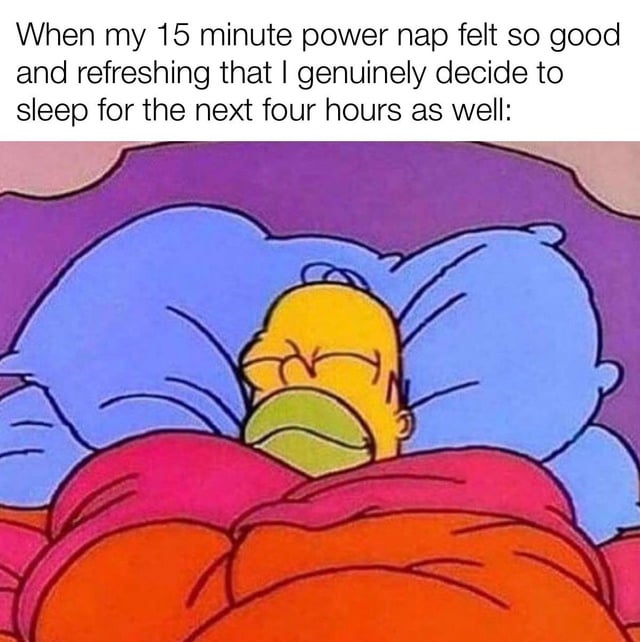
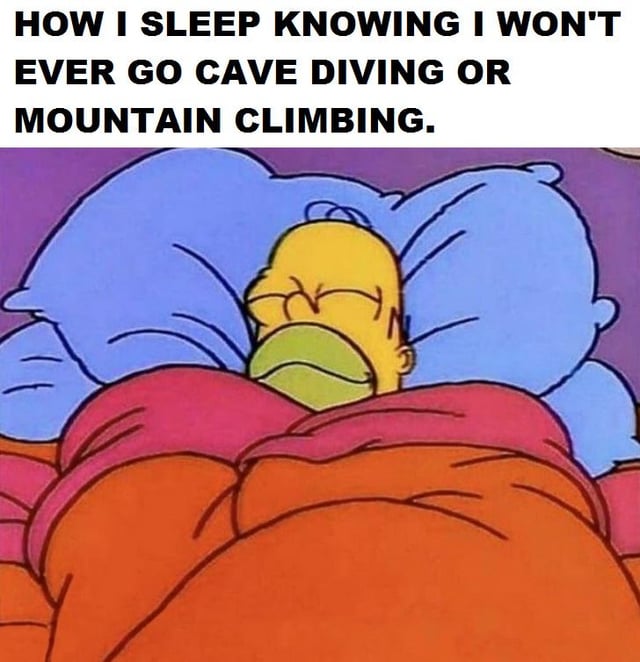
| Comfort/laziness | Homer in bed or on the couch | Naps, avoidance, burnout, low-effort fun |
| Panic | Wide eyes, hands on head, alarmed stare | Bad news, anxiety, sudden realization |
| Smug incompetence | Homer smiling or scheming | Bad plans, selfish logic, corporate satire |
| Failure as comedy | Homer hurt, defeated, or blank-faced | Relatable sadness, humiliation, emotional whiplash |
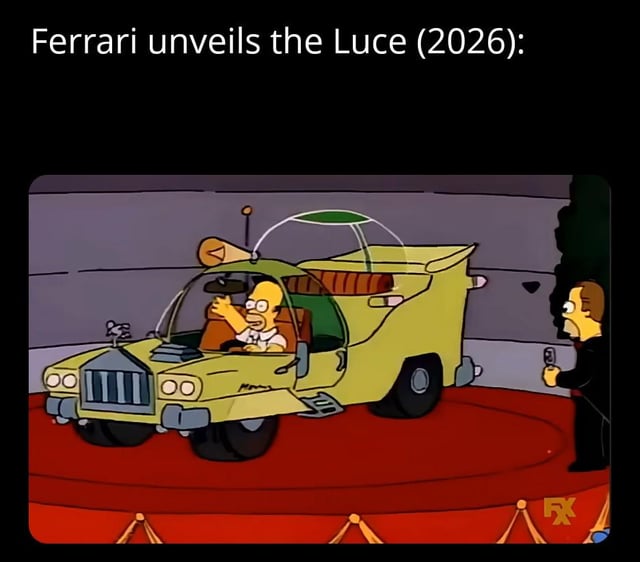
| Absurd confidence | Homer posing, driving, or overexplaining | "I know what I am doing" jokes where he clearly does not |
That range lets Homer travel across formats. A still from the show can become a personal anxiety joke, a workplace complaint, a gaming-industry complaint, a political joke, or a fandom reaction without needing the viewer to know the episode. The character's function online is usually expressive rather than plot-based: the image says "this is me," "this is management," "this is the obvious bad choice," or "I am leaving this conversation."
Homer Simpson Backs Into Bushes
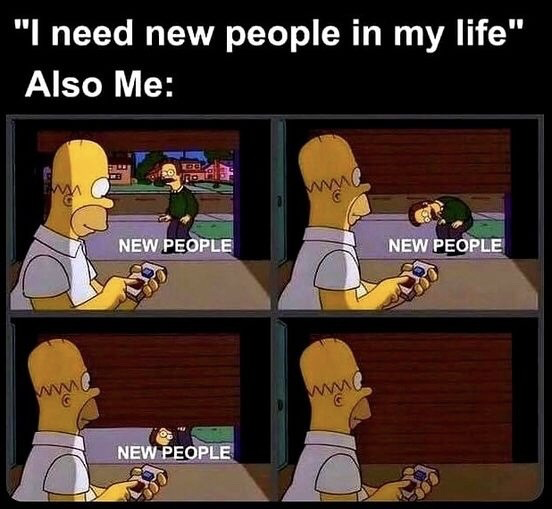
The most famous Homer-specific template is Homer Simpson Backs Into Bushes, also called Homer Backing Into Bushes, Homer in the Hedge, or the Homer bush meme. The scene comes from the The Simpsons episode "Homer Loves Flanders," which aired in the United States on March 17, 1994. In the scene, Homer emerges through Ned Flanders' hedge, invites the Flanders family to spend time with him, and then slowly backs into the hedge when they decline.2
Know Your Meme records the GIF as a reaction format with The Simpsons as its origin and notes that GIFGarage posted a reaction GIF version in December 2010.2 By 2012, editable versions had spread on Tumblr and humor sites, letting users replace the hedge with other images. That made the format unusually flexible: Homer could disappear into pizza, another fandom, a sports team, a political scandal, a corporate logo, or whatever community context needed a quiet exit.
The hedge template also became a mainstream shorthand for public embarrassment. During the Sean Spicer "among the bushes" news cycle in May 2017, Teen Vogue covered the wave of edits that placed Spicer into the Homer retreat format, showing how quickly the GIF could attach itself to a news event.3 In 2019, The Simpsons itself acknowledged the meme by having Homer send the hedge GIF in an episode, turning a fan-circulated reaction image back into an in-universe joke.2
Common Formats and Variants
Homer memes tend to fall into a few broad families:
- Reaction images: single frames of Homer looking shocked, smug, tired, defeated, suspicious, or blissfully unaware.
- Relatable laziness memes: bed, couch, nap, beer, snack, and "I will not be productive today" formats.
- Work and responsibility jokes: nuclear plant scenes, family burden jokes, or images where Homer represents exhausted workers, bad bosses, or bad policy.
- Hedge edits: four-panel disappear/reappear sequences, fair-weather fan jokes, "I am leaving" reactions, and location-swapping edits.
- Bad idea satire: captions where Homer stands in for a person, company, government, or fandom choosing the obviously foolish option.
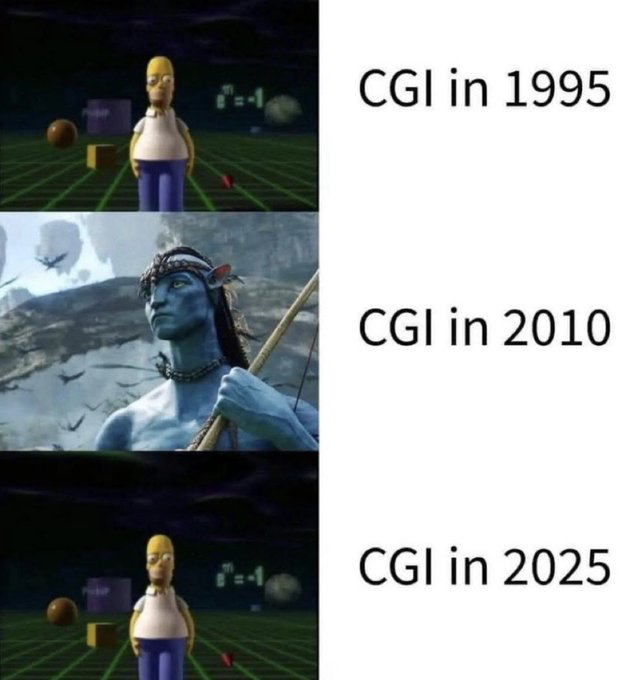
- Crossover comparisons: Homer placed against other characters or pop-culture images to contrast old and new media, low and high effort, or practical and absurd design.
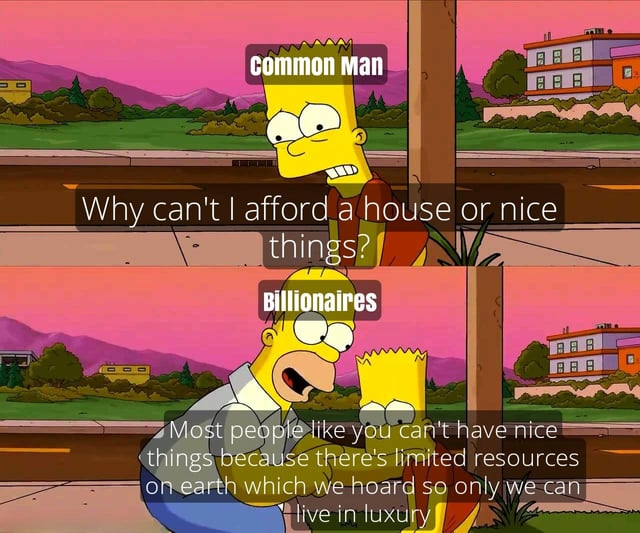
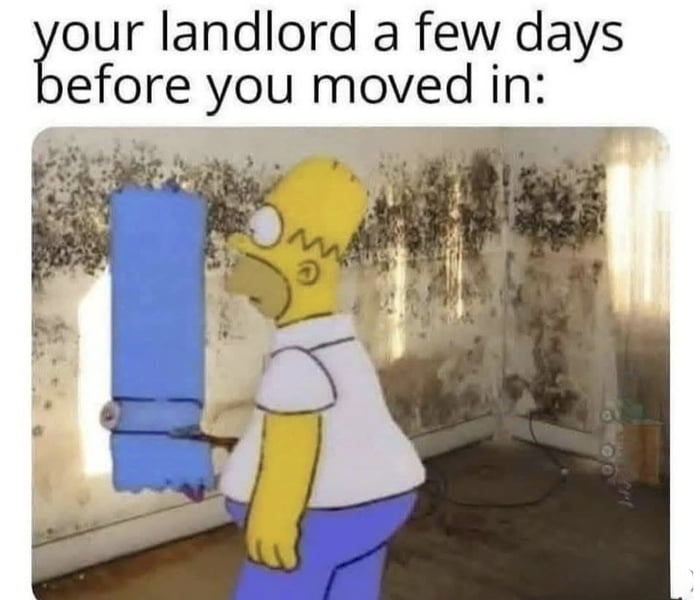
Because Homer is already a cultural symbol of impulsive appetite and everyday failure, captions often use him as a proxy for ordinary people rather than as a literal fictional character. In one meme he may be "me avoiding new people," in another he may be a billionaire, a landlord, a game publisher, or a whole generation realizing its jokes no longer work. The humor depends on the mismatch between Homer's small, ridiculous body language and the large social or emotional idea placed on top of it.
Spread and Platform Culture
Homer's meme life comes from both long-term television familiarity and platform-friendly visuals. GIF culture helped the hedge scene grow because the original motion is short, loopable, and readable without sound. Image macro culture then turned Homer's still frames into caption templates. Reddit, Tumblr, X/Twitter, Discord, Facebook groups, and short-form video platforms all use Homer differently, but the central appeal is consistent: he gives big feelings a low-stakes cartoon body.
The hedge format is especially useful because it has a complete emotional arc in a few frames. Homer appears, realizes the situation is not for him, retreats, and vanishes. That sequence works for leaving an argument, abandoning a fandom, hiding from accountability, switching sides in sports, or pretending a bad opinion was never posted. It is also easy to edit, which is why it survives as both a GIF and a multi-panel image template.
Related Simpsons Meme Context
Homer should be read alongside the larger Simpsons meme ecosystem. The Simpsons has produced many separate meme entries and templates, including "Old Man Yells at Cloud," "Lisa Simpson's Presentation," "Steamed Hams," "I, For One, Welcome Our New Insect Overlords," "Do It For Her," and "Milhouse Is Not a Meme." Some of those are better treated as origin/template pages because the joke depends on a specific scene or caption structure. Homer Simpson, by contrast, is the broader character page for memes where Homer's body, face, or persona is the main reusable element.
For Gagbase-style organization, use this character page when Homer is visibly present or when the joke depends on his persona. Use the The Simpsons work page for general show references, and use separate origin/template pages for individual formats such as "Homer Simpson Backs Into Bushes" if the template itself becomes the primary subject.
Visual Identifiers
Homer is usually recognizable by:
- yellow skin and round eyes;
- bald head with two hair strands and side hair;
- white short-sleeved shirt and blue pants;
- stubbled mouth area;
- exaggerated mouth shapes and wide panic eyes;
- domestic locations such as the couch, bed, kitchen, garage, Moe's Tavern, or the nuclear plant;
- scenes with Marge, Bart, Lisa, Maggie, Ned Flanders, Mr. Burns, or other Springfield characters.
The character's simplicity is the point. A meme does not need detailed lore to use Homer well; it needs the viewer to recognize the posture. If he is backing into a hedge, the meaning is retreat. If he is asleep, the meaning is avoidance or comfort. If he is staring in horror, the meaning is sudden consequence. Homer remains durable because those signals are still clear decades after the original TV scenes aired.
-
"Homer Simpson," Wikipedia, https://en.wikipedia.org/wiki/Homer_Simpson ↩↩
-
"Homer Simpson Backs Into Bushes," Know Your Meme, https://knowyourmeme.com/memes/homer-simpson-backs-into-bushes ↩↩↩
-
Brianna Wiest, "This Meme of Sean Spicer as Homer Simpson Hiding In the Bushes Is Going Viral," Teen Vogue, May 11, 2017, https://www.teenvogue.com/story/sean-spicer-homer-simpson-meme ↩