Summary
Lisa Simpson is the intellectual, idealistic middle child from The Simpsons and one of the show's most useful meme characters. Online, she is best known through Lisa Simpson's Presentation, a 2018 Reddit-spread image macro based on a 2001 episode scene where Lisa gives a formal talk. Meme makers use her podium, projector, and earnest expression for hot takes, social criticism, meta-meme arguments, and relatable observations. Her broader reaction-image use depends on the same traits: sincerity, bookish confidence, moral seriousness, and the comedy of a child explaining adult absurdity.
Description
Overview
Lisa Simpson is the intellectual, idealistic middle child of the Simpson family in The Simpsons. Created by Matt Groening and voiced by Yeardley Smith, she first appeared with the rest of the family in the 1987 Tracey Ullman Show short "Good Night" before becoming one of the main characters of the Fox series that premiered in 1989.1 In meme culture, Lisa is less a single catchphrase than a set of recognizable poses: the earnest presenter, the miniature public intellectual, the disappointed idealist, the saxophone-playing outsider, and the child who can make adult society look ridiculous by calmly stating the obvious.
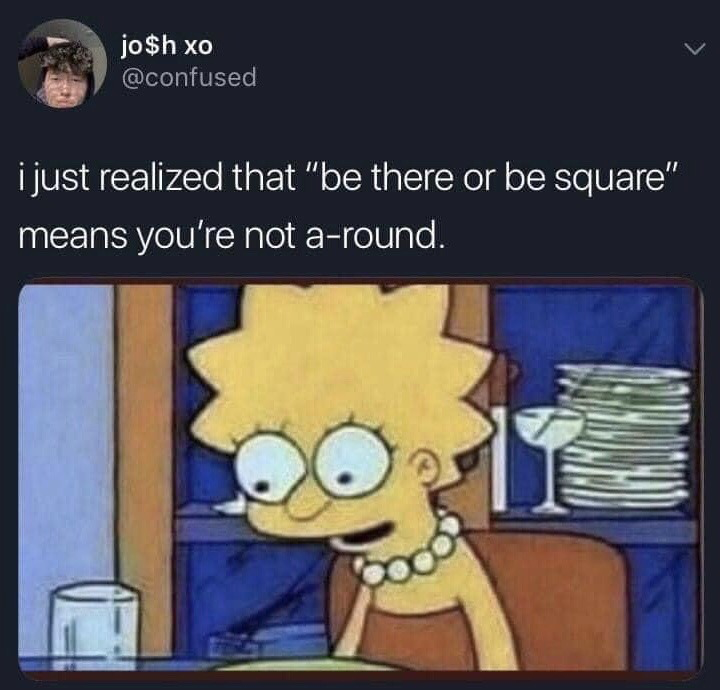
Her online life is strongest in image macros and reaction images. Because Lisa is usually framed as sincere, bookish, politically aware, and morally serious, meme makers use her to deliver "hot take" captions, mock public hypocrisy, explain a niche argument, or parody the way online communities turn every opinion into a lecture. That contrast is the joke: Lisa looks like an eight-year-old giving a school report, but the text on the screen can be anything from a sincere social critique to a deliberately absurd thesis.
Character Background
In the show, Lisa is the younger sister of Bart, older sister of Maggie, and daughter of Homer and Marge Simpson. Her core traits - intelligence, musical sensitivity, environmentalism, vegetarianism, skepticism, and left-leaning idealism - made her a useful foil to Springfield's laziness, cynicism, and commercial noise.1 Critics and cast members often describe her as the show's moral center or voice of reason, a role Vanity Fair highlighted in a 2018 profile of Yeardley Smith and Lisa's cultural staying power.2
That moral seriousness is exactly why Lisa works online. A Homer meme can express avoidance, appetite, confusion, or failure. A Bart meme can express mischief. Lisa tends to express the act of explaining something. She is the character who appears when the meme wants to say, "Here is the truth everyone is avoiding," whether the claim is thoughtful, pedantic, smug, chaotic, or intentionally ridiculous.
The Lisa Simpson's Presentation Template
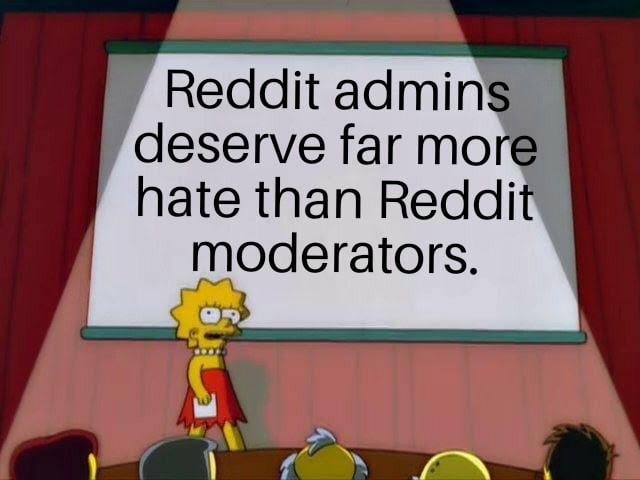
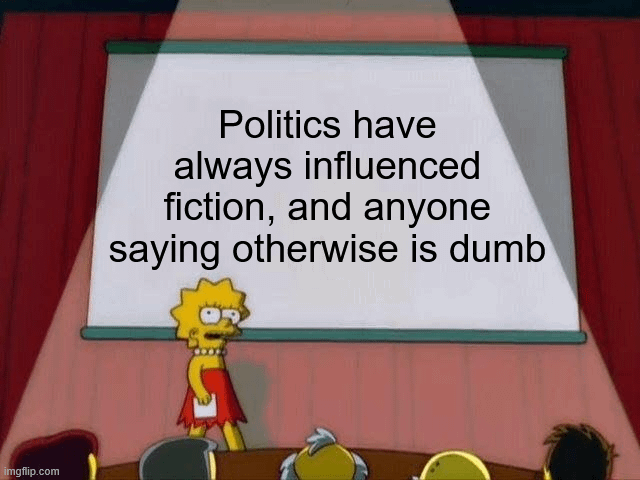
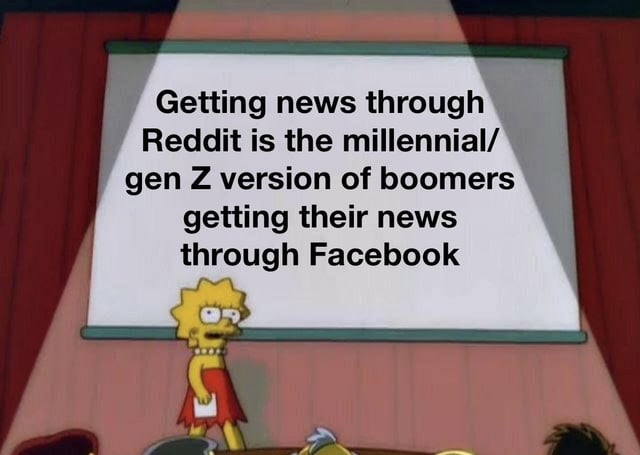
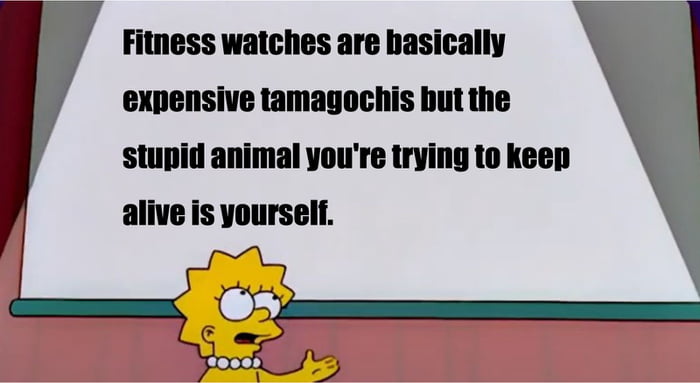
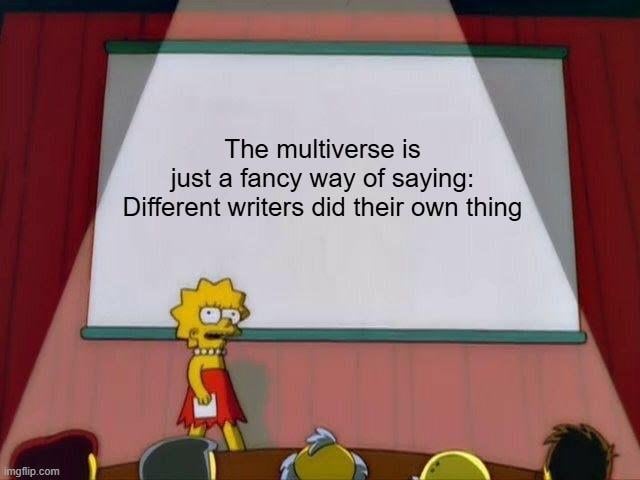
The most famous Lisa-centered format is Lisa Simpson's Presentation, an exploitable image macro in which Lisa stands in front of a projection screen while delivering a formal talk. Know Your Meme identifies the source frame as the season 12 episode "Bye Bye Nerdie," which aired on March 11, 2001.3 In that episode, Lisa studies why bullies target nerds and presents her findings at a science conference; the template strips the scene down to a blank lecture screen and lets users replace Lisa's subject with their own argument.4
The format broke out on Reddit in May 2018, when users on communities such as /r/MemeEconomy and /r/dankmemes began circulating edited versions of Lisa's slide.3 Early jokes often treated her presentation like a miniature TED Talk: a simple declarative sentence on the projector, Lisa gesturing with confidence, and an implied audience forced to hear the point. The template quickly became useful because it was easy to read at thumbnail size and easy to edit. A single sentence could carry the entire joke.
Common Meme Uses
Lisa memes usually fall into a few recurring modes:
| Mode | How it works |
|---|---|
| Presentation argument | Lisa stands before a slide that states a belief, complaint, or overconfident theory. |
| Social commentary | The template turns political, workplace, consumer, or internet-culture criticism into a fake lecture. |
| Meta-meme explanation | Lisa explains why a meme, platform, fandom, or trend is good, bad, dead, revived, or misunderstood. |
| Relatable confession | The slide says something mundane but emotionally specific, making Lisa look like she is defending a personal truth. |
| Reaction image | Close-ups or edited stills of Lisa show smugness, side-eye, curiosity, sadness, awkwardness, or eager attention. |
The presentation template is especially popular for jokes that need a calm, declarative voice. A caption like "X is just Y with extra steps" can feel more authoritative when placed behind Lisa. The humor often comes from the mismatch between formal staging and unserious subject matter: a child appears to be giving an academic presentation on Reddit ads, restaurant prices, grammar confusion, dead memes, or a tiny personal grievance.
Visual Identifiers
Lisa is visually easy to recognize even when a meme is heavily compressed. She has yellow skin, a red strapless dress, a white pearl necklace, spiky hair, and large round eyes. In presentation memes, she is usually shown on a stage or in a lecture room, holding a paper and gesturing toward a large white or light-colored screen. The audience's heads sometimes appear at the bottom of the frame, reinforcing the feeling of a formal talk.
Other Lisa reaction formats use her saxophone, worried expression, smug smile, side-eye, or scenes with Bart, Marge, Homer, or other Springfield characters. These images tend to signal sincerity, precocious logic, nerd pride, social awkwardness, or the exhaustion of being the person in the room who has thought too much about the problem.
Why It Matters In Meme Culture
Lisa Simpson became a durable meme subject because she gives online arguments a face. The internet is full of people explaining why everyone else is wrong; Lisa makes that behavior instantly legible without requiring a long setup. She can represent the poster's own earnest belief, mock the overconfidence of another viewpoint, or parody the culture of turning every opinion into a slide deck.
Her meme role also reflects the larger afterlife of The Simpsons as a source of reusable reaction language. The show has generated many long-running templates, including Homer backing into bushes, Old Man Yells at Cloud, Steamed Hams, and "Do It For Her." Lisa's corner of that universe is more rhetorical than physical: she is not just doing something funny, she is explaining the joke.
Notable Variants
- Lisa Simpson's Presentation: The main exploitable slide format, used for arguments, hot takes, and mock lectures.
- Lisa reaction images: Close-ups or edited stills used for side-eye, smugness, curiosity, or awkward self-recognition.
- Lisa and Bart self-care scenes: Frames involving Lisa helping Bart or interacting with family members are often repurposed for therapy, inner-child, or emotional-support memes.
- Happy Birthday Lisa references: Scenes and references from The Simpsons involving Lisa's birthday or emotional family moments circulate as nostalgia and fandom material.
- Lisa as online moralist: Memes often use her as a stand-in for the person making a principled, sometimes over-serious point in a chaotic online discussion.
Related Gagbase Pages
- The Simpsons - the source work page for Lisa and other Springfield meme formats.
- Bart Simpson, Homer Simpson, Marge Simpson, and other Simpson family character pages.
- Lisa Simpson's Presentation - a potential origin/template page if Gagbase later separates the recurring slide format from the broader Lisa Simpson character page.
-
Lisa Simpson, Wikipedia. ↩↩
-
Darryn King, "Why Lisa Simpson Matters", Vanity Fair, February 26, 2018. ↩
-
"Lisa Simpson's Presentation", Know Your Meme. ↩↩
-
"Bye Bye Nerdie", Wikipedia. ↩