Summary
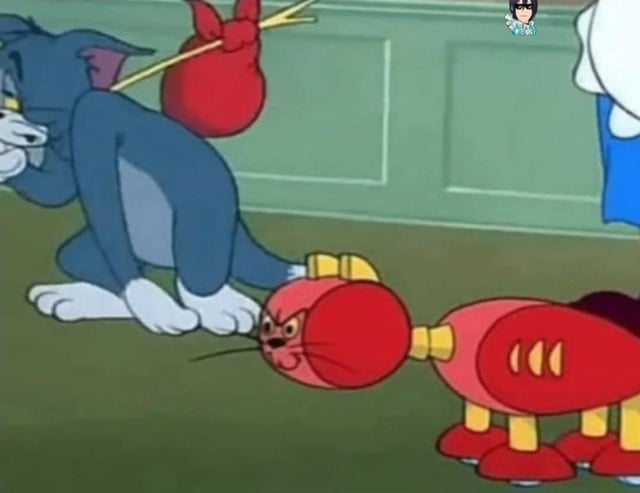
Tom Cat is the expressive gray-and-white cat from Tom and Jerry, widely reused online as a reaction character for suspicion, panic, smugness, exhaustion, and plans going wrong. His meme value comes from clear silent-cartoon acting: squinting distrust, full-body screams, relaxed laziness, angry overreaction, and slapstick defeat. Gagbase should use this page for images where Tom is the visible subject or emotional carrier, while broader franchise entries belong under Tom and Jerry and narrower named templates should remain separate origin pages.
Description
Overview
Tom Cat is the gray-and-white cat from Tom and Jerry whose elastic suffering, theatrical confidence, and repeated failure made him one of the internet's most reusable cartoon reaction characters. In memes, Tom is rarely treated only as "the cat chasing Jerry." He is more often used as a visual shorthand for suspicion, panic, smugness, burnout, doomed overconfidence, or the exact moment when a plan backfires.
The character belongs to the Tom and Jerry franchise created by William Hanna and Joseph Barbera. The cat first appeared as Jasper in the MGM short Puss Gets the Boot in 1940, before receiving the familiar Tom/Thomas name in The Midnight Snack in 1941.12 His long screen life gives meme makers a large library of poses: Tom lounging in an armchair, screaming, holding a phone, sneaking through a doorway, dueling with Spike, reading a book, or realizing too late that Jerry has already won.
Origin and Character Background
Tom began as a silent-era-style slapstick antagonist built around body comedy. The basic formula is simple: Tom wants to catch Jerry, protect the house, impress another cat, or keep his dignity; Jerry usually turns the situation against him. The original theatrical shorts were built around fast visual gags rather than dialogue, which helped Tom's expressions travel easily as still images and GIFs long after the cartoons left theaters.3
That visual clarity is important to his meme life. Tom does not need a quoted line to communicate a mood. His eyes, posture, squashed body, or exaggerated scream usually explain the joke before the caption does. This makes him especially useful for reaction memes where the caption supplies a modern situation and the image supplies the emotional punch.
Meme Culture and Spread
Tom Cat memes circulate across Reddit, X/Twitter, Instagram, Facebook, YouTube community posts, Discord, and image-macro pages. They usually fall into a few broad modes:
| Mode | Common Use |
|---|---|
| Reaction image | Shock, suspicion, anxiety, disgust, exhaustion, or smug satisfaction. |
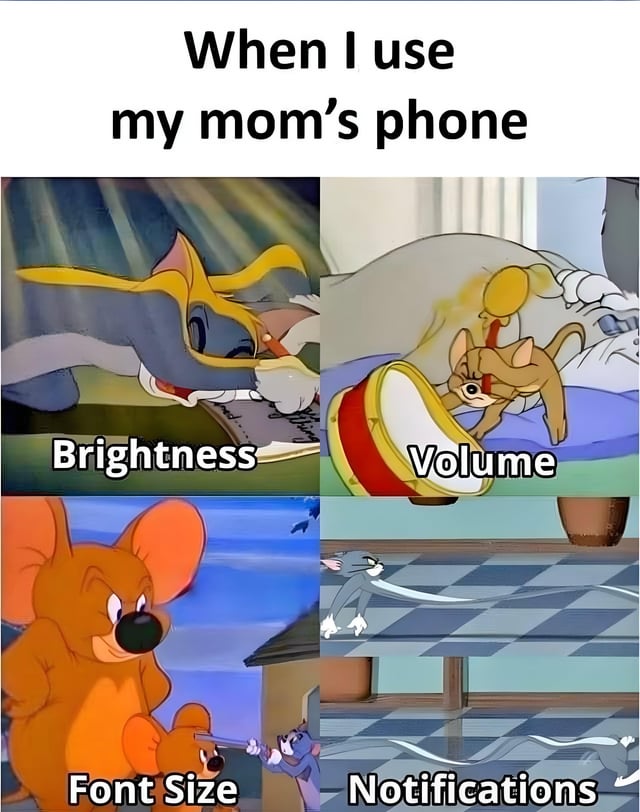
| Relatable caption | Everyday frustrations, phone habits, sleep, school, work, parenting, and procrastination. |
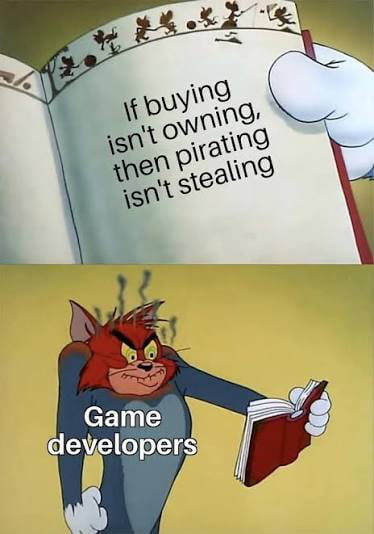
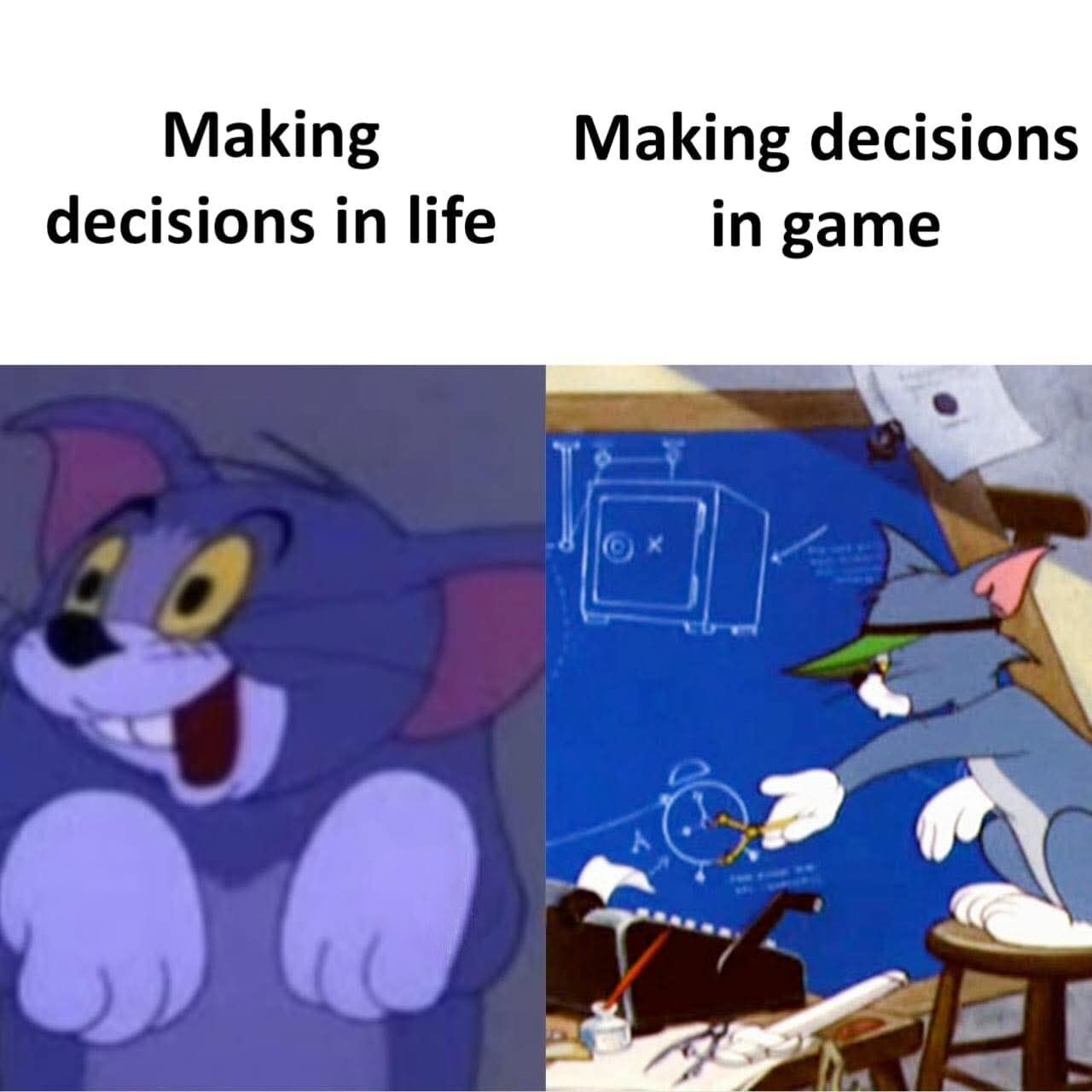
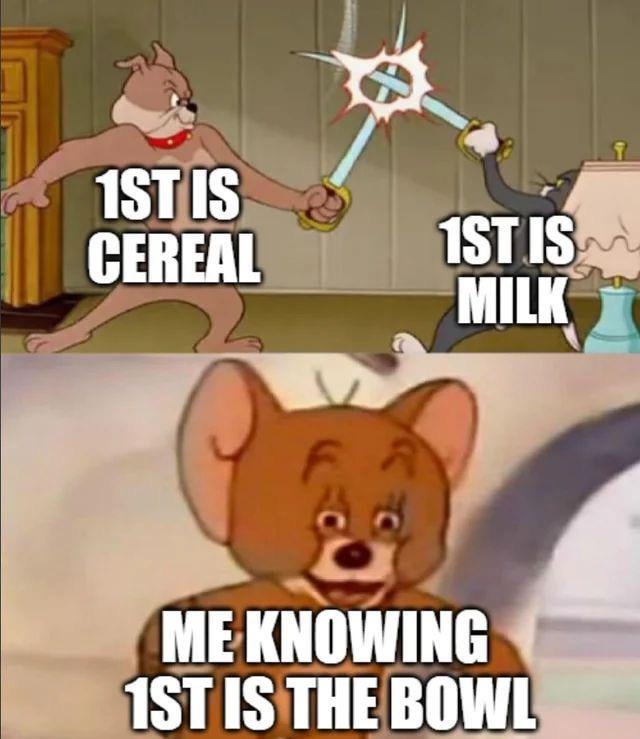
| Comparison format | Tom is labeled as one side in an argument, often facing Spike, Jerry, or another Tom and Jerry character. |
| Advice or logic meme | Tom reacts angrily to a book, rule, or common-sense statement. |
| Nostalgia joke | The caption relies on viewers recognizing Tom and Jerry from childhood television. |
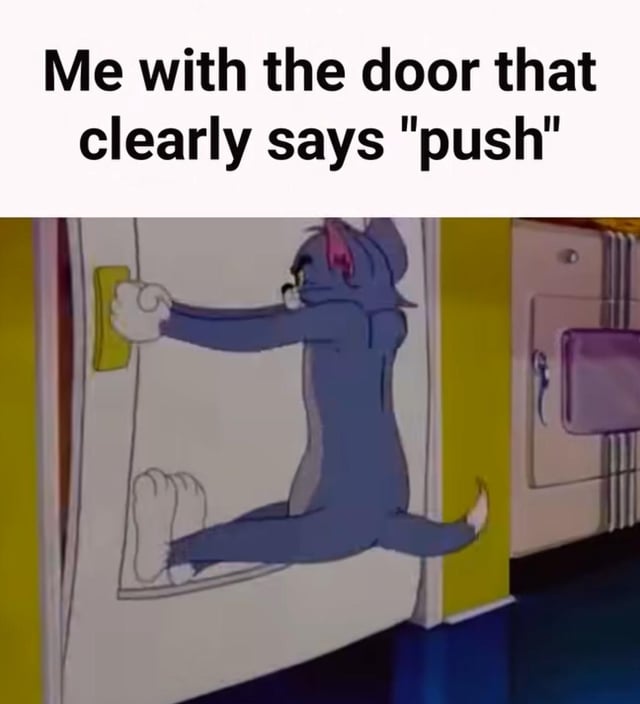
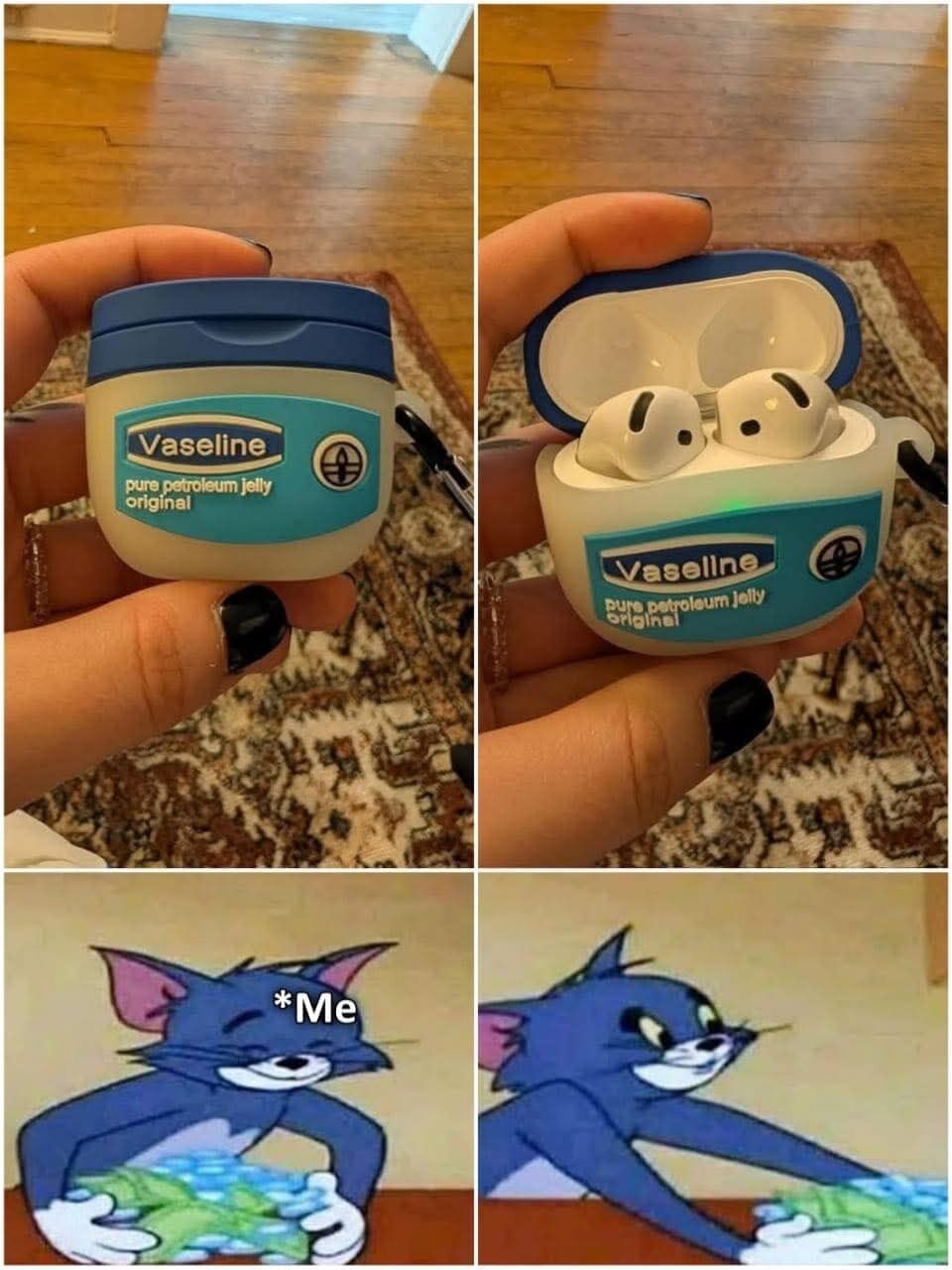
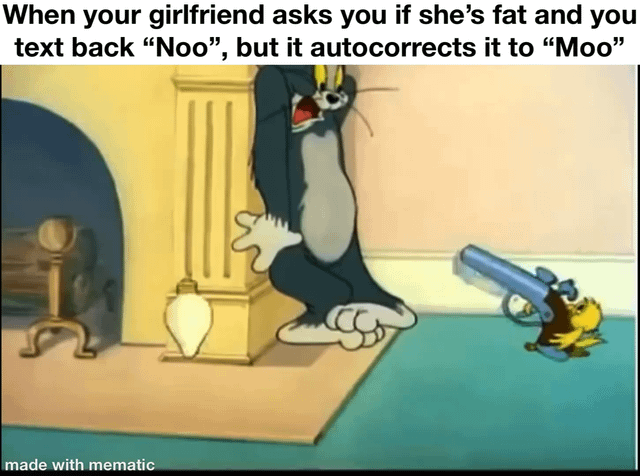
Tom works particularly well in "when..." captions because his expressions are broad but specific. A suspicious Tom holding a newspaper can mean "something good happened and I do not trust it." A relaxed Tom wrapped in a blanket can mean "my plans for productivity ended immediately." A horrified Tom can stand for an audience witnessing an accidental livestream or awkward message. The internet keeps re-captioning the same frames because the original cartoon acting is already legible.
Visual Identifiers
Tom is usually identifiable as a tall gray-blue or gray-and-white domestic cat with white facial markings, yellow eyes, triangular ears, and a highly stretchable cartoon body. Older shorts may show slight design changes, but meme versions tend to emphasize:
- wide eyes or narrowed suspicious eyes;
- open-mouthed screams or panicked grimaces;
- relaxed or smug poses that contrast with a chaotic caption;
- props such as newspapers, phones, mallets, books, swords, blankets, and doors;
- his dynamic with Jerry, Spike, Tyke, Mammy Two Shoes, Toots, or anonymous human figures.
Because many Tom memes are taken from cropped frames, the source work may be clearer than the exact episode. The character page is useful when Tom is the visible subject; narrower origin/template pages should handle named formats such as Zoot Suit Tom, Tom Shoots Himself, or specific angry-book edits.
Notable Variants
- Suspicious Tom: Tom squints or sits with guarded distrust, used for jokes about good news feeling too good to be safe.
- Angry Tom / Book Tom: Tom angrily reacts to a written statement, often representing institutions or groups refusing obvious logic.
- Relaxed Tom: Tom appears comfortable in bed, a chair, or a blanket, often used for burnout and day-off jokes.
- Shocked Tom: close-up reaction frames used for embarrassment, surprise, or witnessing a disaster.
- Tom With Jerry or Spike: comparison memes where characters are labeled as rival choices, opinions, or personality types.
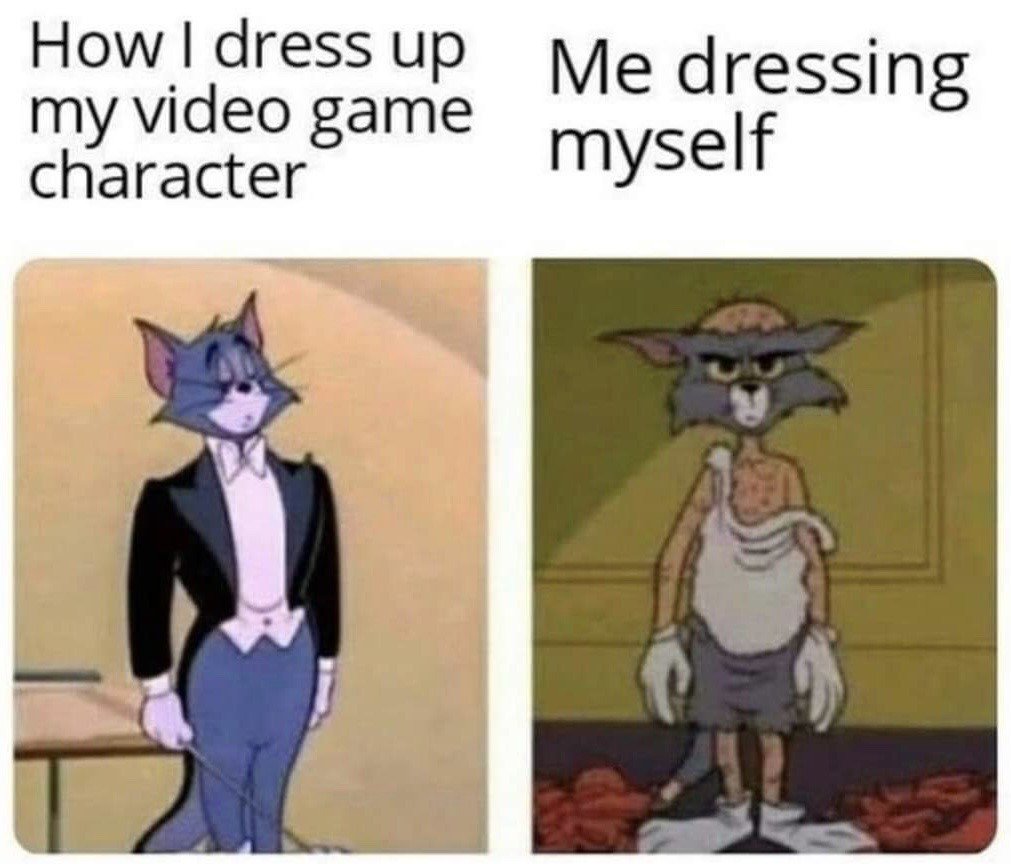
- Zoot Suit Tom: a stylish 1944 variant from The Zoot Cat, often remembered as one of Tom's unusually expressive fashion/persona moments.4
Gagbase Usage Notes
Use this character for memes where Tom Cat himself is the visible subject or the emotional carrier of the joke. Use the broader Tom and Jerry work page when the meme is about the franchise as a source, and use Jerry Mouse, Spike, or other character pages when those characters carry the main joke. Avoid attaching every Tom and Jerry meme to Tom if he is absent or only mentioned in passing.
Gagbase currently has a small duplicate-looking character entity named "Tom" under the same work. That entity appears to overlap with Tom Cat, but it should be merged only after an explicit editorial decision. In the meantime, relationship fixes can add the canonical Tom Cat character to clearly visible Tom images while leaving the duplicate entity untouched.
-
Puss Gets the Boot, the 1940 MGM short that introduced the cat-and-mouse setup before the characters had their final names. ↩
-
The Midnight Snack, the 1941 short generally treated as the first appearance using the familiar Tom and Jerry names. ↩
-
Tom and Jerry, overview of the Hanna-Barbera/MGM franchise, its theatrical shorts, and the Tom-and-Jerry rivalry. ↩
-
The Zoot Cat, the 1944 short associated with Tom's zoot-suit persona. ↩