
Summary
Marvel Comics is the comic-book source universe behind Spider-Man, Hulk, Venom, Wolverine, Deadpool, the X-Men, the Fantastic Four, and many other internet-famous superheroes. On Gagbase, this work page should anchor memes that visibly come from Marvel's print-comics side: drawn panels, speech bubbles, Hulk crying reaction images, Spider-Man comic edits, Venom panels, Moon Knight absurd-action jokes, comic-art parody, and fandom debates about canon or adaptation differences. MCU stills and live-action Marvel Studios memes should stay on the separate MCU page when the source is clear.
Description
Overview
Marvel Comics is the long-running American comic-book publisher and shared superhero universe behind characters such as Spider-Man, Hulk, Wolverine, Deadpool, Venom, Captain America, Iron Man, Thor, the X-Men, the Fantastic Four, and many others. In meme culture, it functions differently from the Marvel Cinematic Universe: MCU memes usually come from film stills and actor reaction shots, while Marvel Comics memes often come from drawn panels, superhero splash pages, old cartoon-adjacent imagery, continuity jokes, and fandom arguments about what a character "really" did in the comics.1
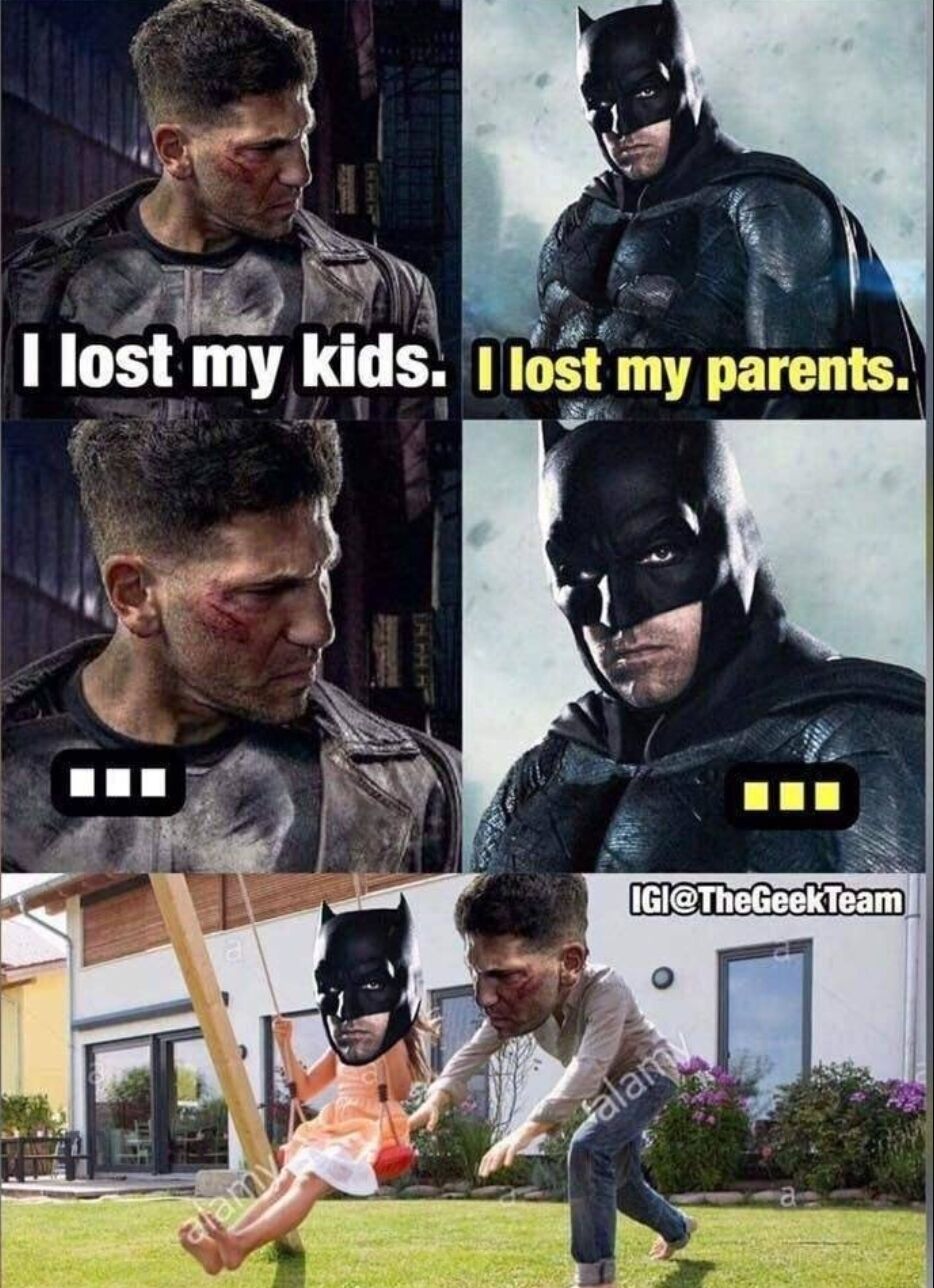
As a Gagbase work page, Marvel Comics should anchor memes visibly sourced from Marvel's print-comics side or from comic-book-style Marvel character art: crying Hulk panels, Venom reaction panels, Spider-Man comic edits, Moon Knight absurd-action panels, Punisher/Batman crossovers, Rob Liefeld gun jokes, and superhero-crossover image macros. MCU film stills, Spider-Verse animation, specific Spider-Man films, and live-action Marvel Studios screenshots should stay on their more precise work pages when the source is clear.
Source And Comic-Book Context
Marvel's roots go back to Timely Comics, which published Marvel Comics #1 in 1939 before the company later operated under Atlas and then Marvel branding.1 The modern "Marvel Age" is usually associated with the early 1960s, when titles such as Fantastic Four, The Amazing Spider-Man, The Incredible Hulk, The X-Men, and The Avengers established a shared world full of flawed, emotional superheroes.1
That emotional texture is central to Marvel's meme afterlife. Marvel heroes are rarely just symbols of strength. They are anxious students, angry scientists, bitter loners, broke freelancers, overdramatic monsters, arrogant geniuses, and exhausted people trying to survive a problem that has already gotten too large. This makes their panels unusually easy to re-caption as everyday internet feelings: social exhaustion, technical confusion, nostalgia, adulting, online embarrassment, fandom burnout, and petty triumph.
Why Marvel Comics Became Meme Material
Marvel Comics lends itself to memes because comic panels already compress action, expression, and captionable dialogue into small visual units. A single panel can carry a face, a costume, a body pose, a sound effect, and a speech bubble. Online meme makers can remove the original plot and turn that panel into a reaction image with very little extra work.
The brand also carries decades of recognizable characters. Hulk can stand for overwhelming emotion, Spider-Man for awkward responsibility or broke-person logic, Venom for blunt appetite and menace, Deadpool for self-aware chaos, Wolverine for grumpy endurance, and Doctor Doom for melodramatic villain confidence. Even people who do not read monthly comics often understand the broad character signals through cartoons, games, films, toys, and general pop culture.
Major Meme Lanes
| Meme lane | Common visual cue | Typical use |
|---|---|---|
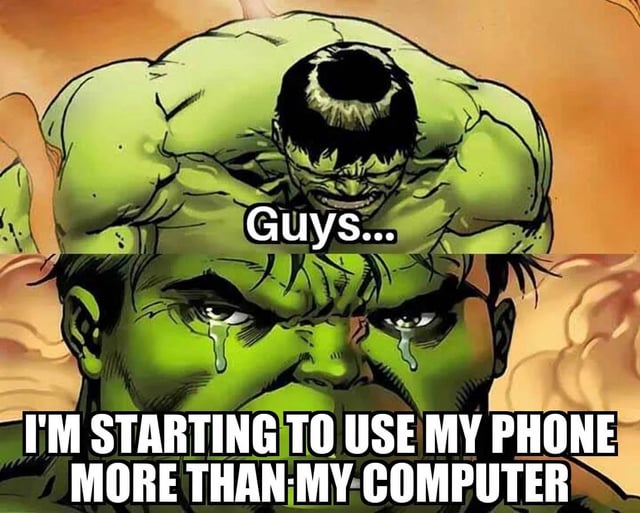
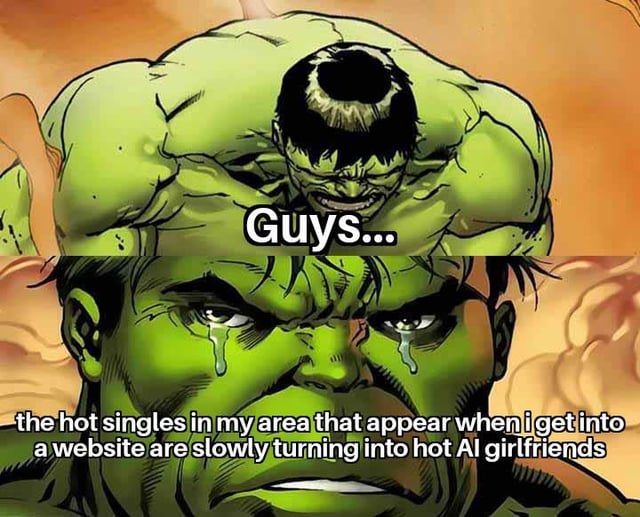
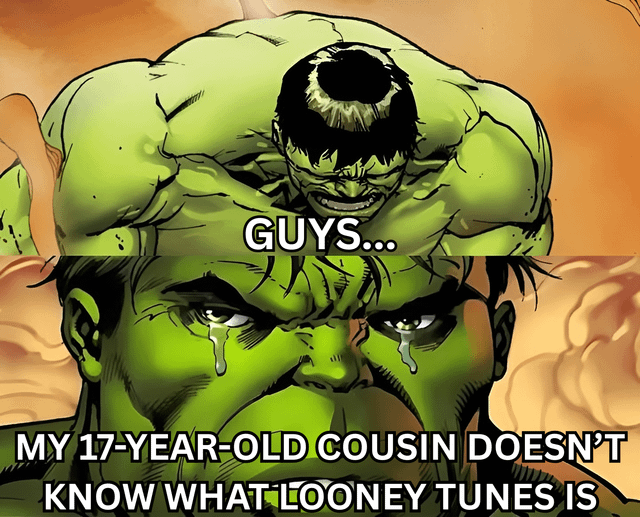
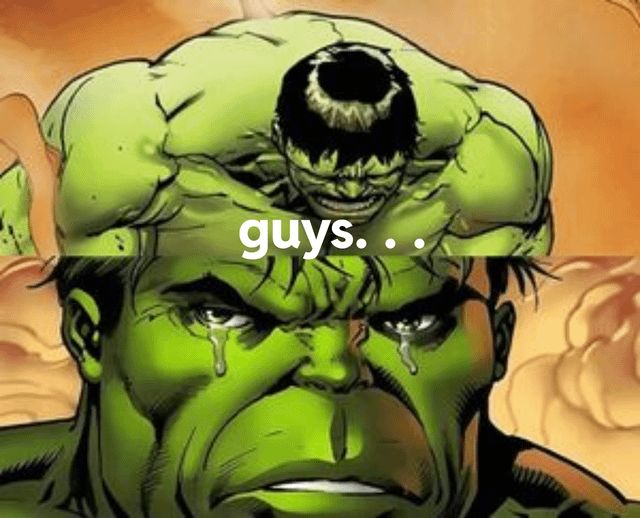
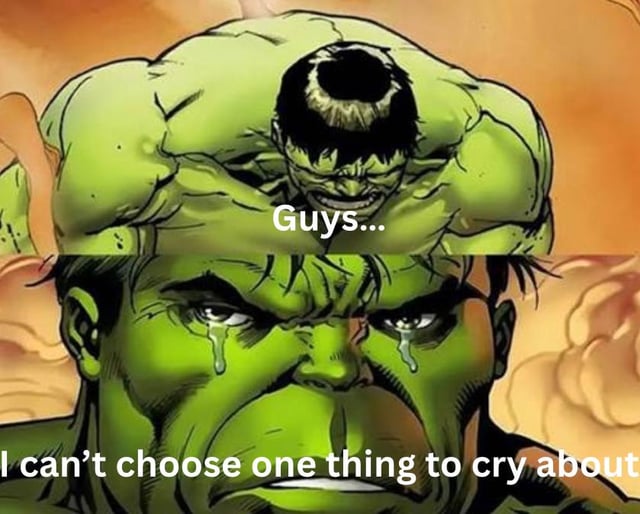
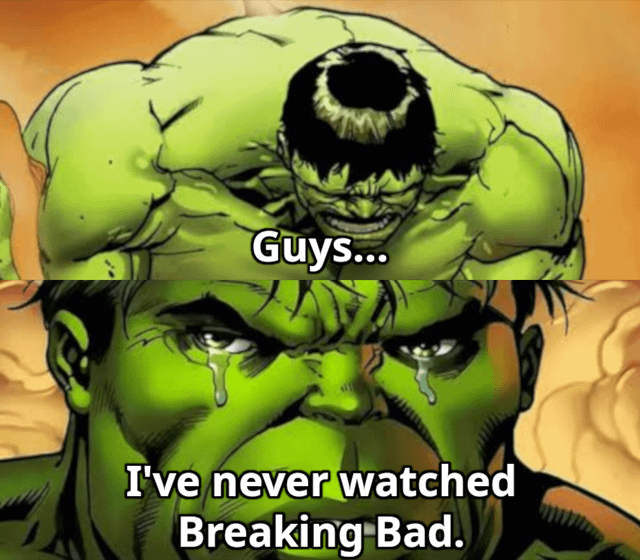
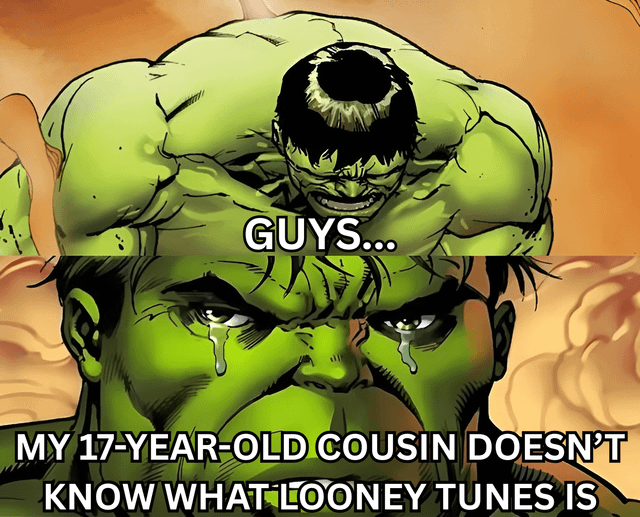
| Hulk vulnerability | Hulk crying, saying "Guys...", or confessing a small problem | exaggerated sadness, aging, nostalgia, tech confusion, everyday weakness |
| Spider-Man comic logic | Spider-Man in panels, costumes, pointing, lecturing, or reacting | awkwardness, responsibility jokes, broke superhero humor, identity confusion |
| Venom and darker antiheroes | Venom panels, Punisher grimness, Deadpool-style violence or meta jokes | blunt frustration, edgy punchlines, appetite, chaotic escalation |
| X-Men and 1990s comic art | Cable, Wolverine, huge guns, extreme poses, busy layouts | parody of comic excess, Rob Liefeld jokes, superhero anatomy criticism |
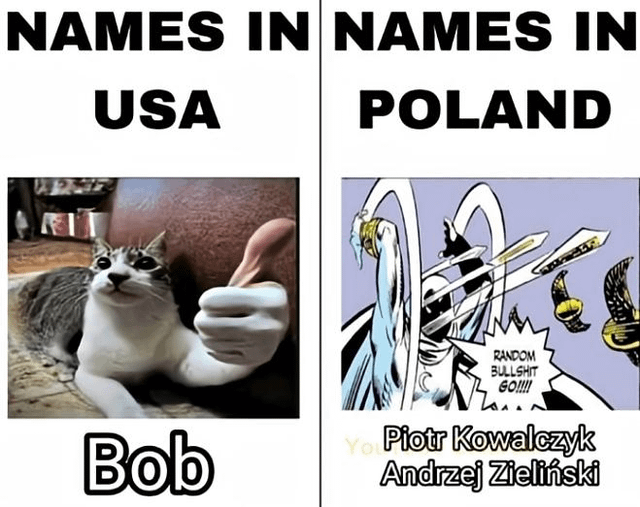
| Moon Knight absurdity | Moon Knight panels or "Random Bullshit Go" style action | chaotic problem solving, overkill, nonsense confidence |
| Marvel fandom meta | continuity charts, "in the comics" corrections, Marvel vs DC arguments | nerd debate, power-scaling, canon disputes, adaptation complaints |
Hulk As Relatable Melodrama
Hulk is one of the strongest Marvel meme engines because the joke is built on contrast. He is visually enormous and rage-coded, but many Hulk memes use him to express soft, embarrassed, or strangely specific feelings. A crying Hulk panel can make a tiny confession feel like a world-ending crisis: forgetting childhood cartoon trivia, using a phone more than a computer, being unable to tell AI images from real ones, or realizing that ordinary adult errands have become emotionally draining.
Marvel's own character profile frames Hulk as Bruce Banner transformed by gamma radiation, a setup that gives the character a built-in tension between human vulnerability and monstrous power.2 Internet memes lean into that contrast. Hulk is not funny simply because he is green and muscular; he is funny because the image promises violence and then delivers a fragile, oddly personal confession.
Spider-Man, Venom, And Panel Readability
Spider-Man is another major bridge between comics and meme culture. Peter Parker is famous for balancing superhero responsibility with broke, awkward, overextended everyday life, which makes him easy to turn into a stand-in for the anxious internet user.3 Spider-Man panels and animated stills also have clean body language: pointing, crouching, covering his face, presenting to a room, or looking overwhelmed.
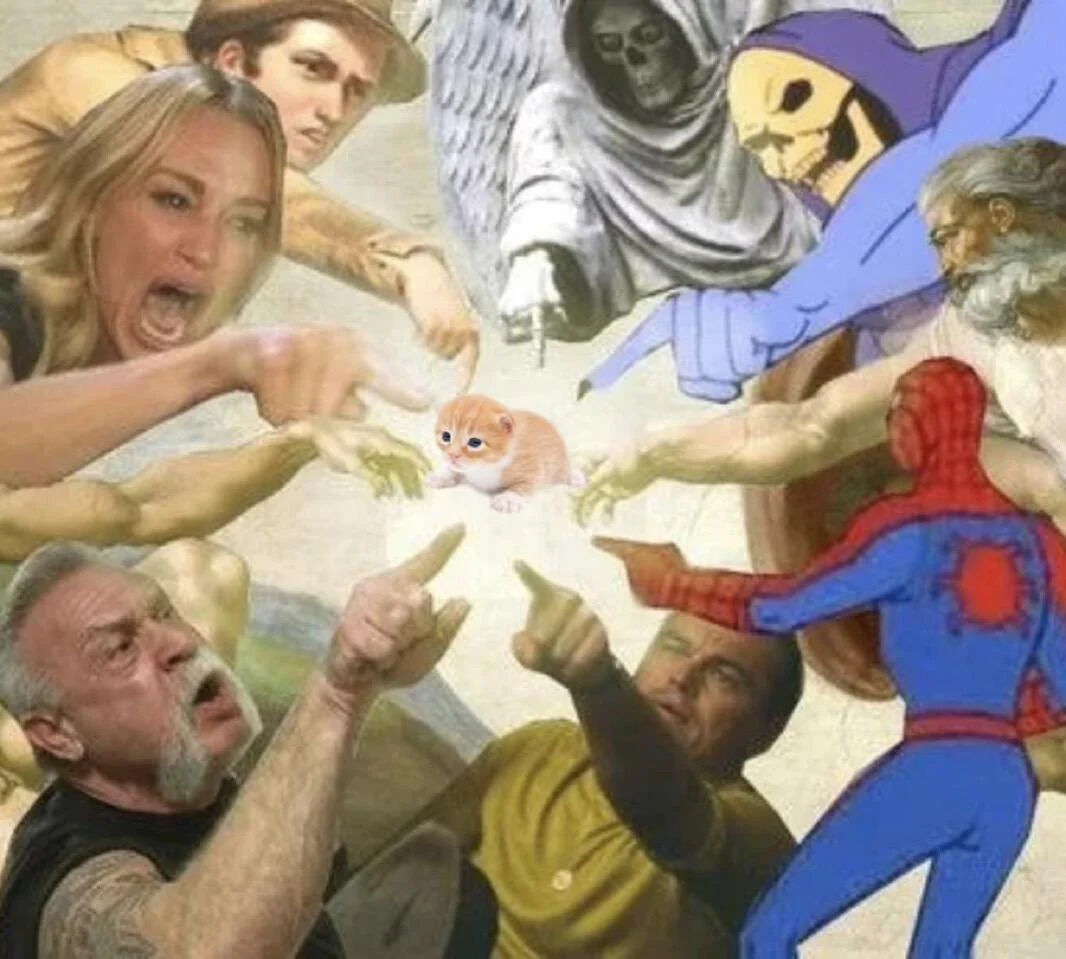
The well-known "Spider-Man pointing at Spider-Man" meme comes from the 1967 animated series episode "Double Identity," and Know Your Meme documents its later spread as a reaction format for identical or hypocritical situations.4 On Gagbase, that exact image belongs more naturally to the 1967 animated-series work when the source is visible, but it still shows why Marvel characters travel so easily across formats: the costume is recognizable before the caption is even read.
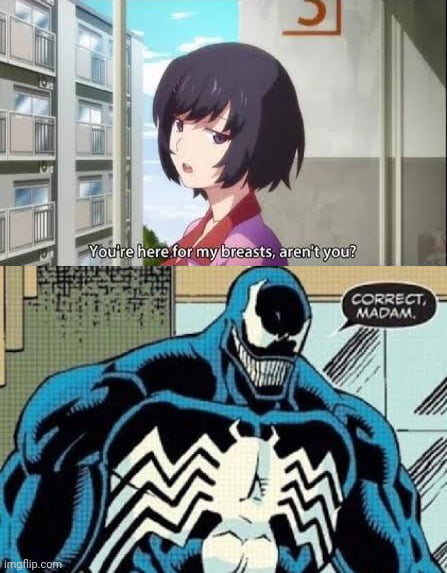
Venom works in the opposite direction. Venom reaction panels often use blunt speech, exaggerated teeth, and darkly comic menace to express adult frustration, appetite, or "I should not want this but I do" energy. If a meme is clearly a printed Venom comic panel rather than a movie still, it belongs near Marvel Comics or a precise Venom character/page when available.
Comic Excess And Meta-Fandom
Marvel Comics memes are not always about the characters inside the story. Many are about comics as a medium: overstuffed continuity, dramatic poses, impossible anatomy, huge weapons, crossover logic, and the long-running fan habit of answering any movie debate with "in the comics..." Rob Liefeld-style jokes, especially about giant guns and exaggerated 1990s superhero anatomy, turn comic-book art itself into the punchline.
Moon Knight's "Random Bullshit Go" is a useful example of comic-panel absurdity becoming an internet shorthand. Know Your Meme describes the phrase as an exploitable image macro built around Moon Knight throwing a chaotic pile of objects, which lets users frame nonsense action as a confident solution.5 The humor is not just that Moon Knight is present; it is that the comic-panel energy already looks like overcommitment.
Relationship To The MCU
Marvel Comics and the Marvel Cinematic Universe overlap heavily in characters, but they should not be treated as the same Gagbase work page. A still of Tony Stark from an Avengers movie, Loki denying responsibility in a live-action shot, or Thanos dusting someone belongs under the MCU when the source is Marvel Studios continuity. A drawn Hulk panel, a Spider-Man comic crop, a Venom speech bubble, or a joke about comic continuity belongs under Marvel Comics or a more precise comic/character page.
The distinction helps browsing. Marvel as a brand is huge, but memes are useful when their source is searchable. "Marvel Comics" should act as the umbrella for comic-book-origin material and comic fandom jokes, while the MCU page handles film-and-series memes and narrower pages handle specific characters or templates.
Visual Identifiers
Marvel Comics memes often include one or more of these signals:
- Drawn panels, speech bubbles, boxed narration, inked action lines, or comic-book sound effects.
- Costumed characters from Marvel's print-comics tradition, especially Hulk, Spider-Man, Venom, Deadpool, Wolverine, Punisher, Moon Knight, the Fantastic Four, X-Men, Avengers, or Doctor Doom.
- Captions built around "in the comics," canon arguments, power scaling, Marvel vs DC comparisons, or adaptation differences.
- Exaggerated superhero anatomy, large weapons, dramatic splash-page poses, or 1990s comic-art parody.
- Cropped comic panels repurposed as reactions rather than full issue/story context.
Gagbase Scope
Use work/marvel-comics for broad Marvel comic-panel memes and comic-book-source jokes when no narrower work page is clearly better. If the meme is visibly from a specific film, animated series, game, or television continuity, use that precise work instead. If the meme centers on a single reusable subject such as Hulk crying, Spider-Man pointing, Venom reacting, or Moon Knight throwing objects, a character or origin page may be the better searchable handle.
This page should not become a catch-all for every superhero image. It is the comic-book umbrella: useful when the meme's source is Marvel's print/comic visual language, when the joke depends on comics fandom, or when the exact issue is less important than the recognizable Marvel Comics panel style.
-
Wikipedia, Marvel Comics, for the company's Timely/Atlas/Marvel history and the early-1960s Marvel Age context. ↩↩↩
-
Marvel, Hulk in comics, for Marvel's official character framing of Bruce Banner and the Hulk. ↩
-
Marvel, Spider-Man in comics, for Marvel's official character framing of Peter Parker / Spider-Man. ↩
-
Know Your Meme, Spider-Man Pointing at Spider-Man, for the 1967 animated-series source and meme-spread context. ↩
-
Know Your Meme, Random Bullshit Go, for the Moon Knight image macro and its meme usage. ↩