Summary
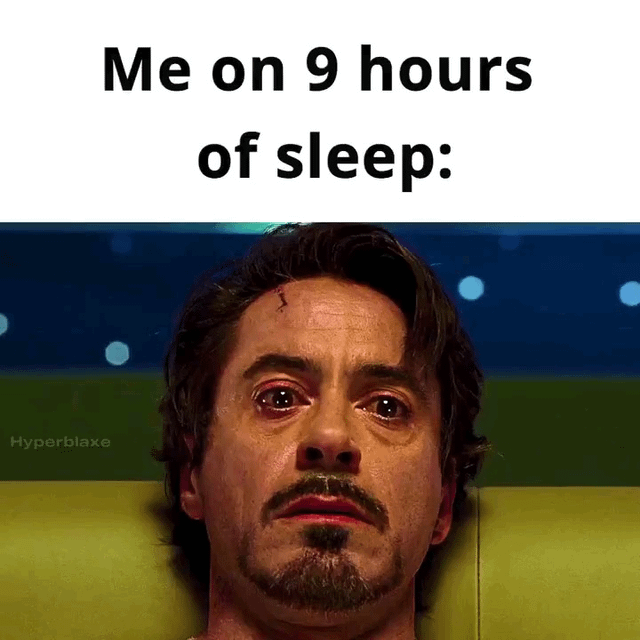
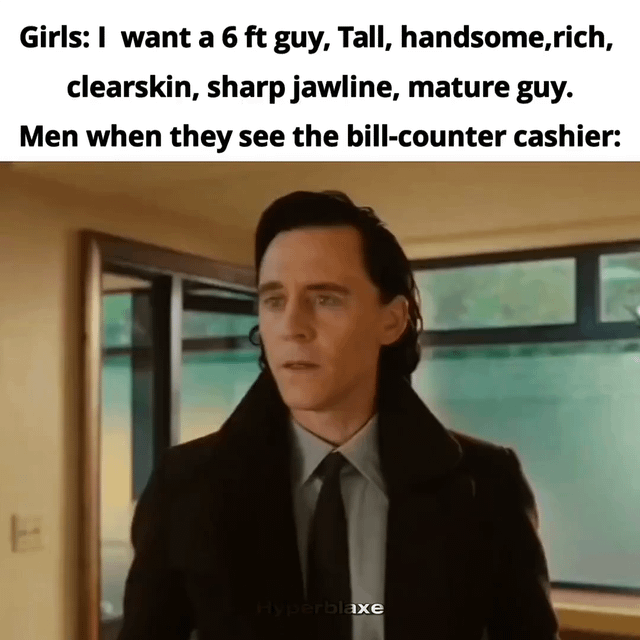
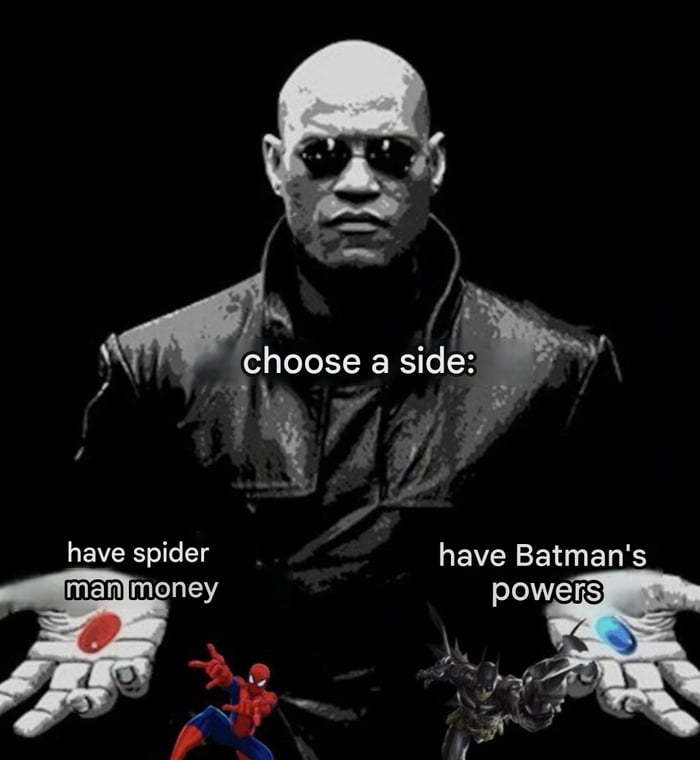
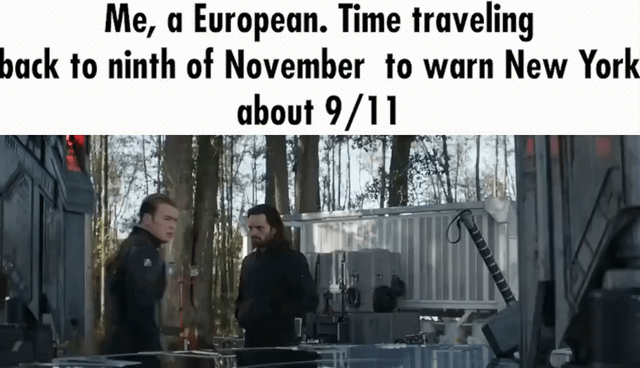
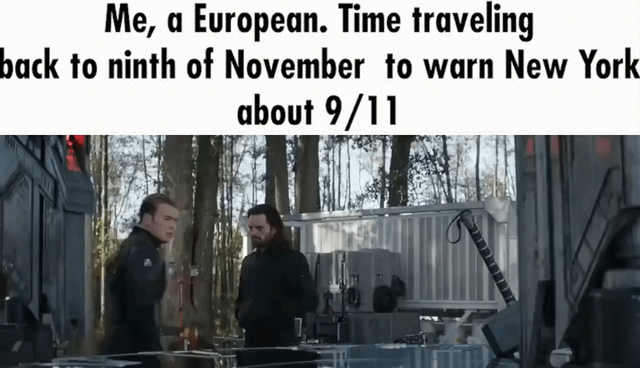
The Marvel Cinematic Universe is the shared Marvel Studios screen franchise that became a massive source of reaction images, quote memes, fandom jokes, and superhero comparison formats. On Gagbase, this work page should anchor memes visibly sourced from MCU films and shows: Tony Stark exhaustion, Captain America authority jokes, Loki denial, Thanos snap logic, Spider-Man panic, Avengers ensemble reactions, post-credits-scene jokes, and broader Marvel fandom commentary. Character and origin pages should still handle narrower templates when a specific subject is clear.
Description
Overview
The Marvel Cinematic Universe, often shortened to MCU, is the shared Marvel Studios screen franchise that turned superhero movies into one of the internet's largest reaction-image libraries. Its films and Disney+ series connect characters such as Iron Man, Captain America, Thor, Loki, Black Panther, Doctor Strange, Spider-Man, Scarlet Witch, and the Guardians of the Galaxy into a single continuity.1
As a Gagbase work page, Marvel Cinematic Universe should anchor memes visibly sourced from Marvel Studios' live-action continuity: Avengers stills, Tony Stark reaction images, Loki quote edits, Thanos and Infinity Stone jokes, Captain America formats, post-credits-scene fandom jokes, and modern commentary about "Marvel formula" or superhero-movie fatigue. Specific character pages should still handle narrower subjects such as Tony Stark, Steve Rogers, Loki, Thanos, Wanda Maximoff, Peter Parker, Thor, and individual template origins.
Source And Franchise Context
The MCU began with Iron Man in 2008 and expanded into a connected film-and-television continuity built around recurring characters, crossovers, and serialized event movies.2 Marvel's official timeline treats the franchise as a long-running continuity rather than a set of isolated adaptations, with films and series arranged by in-universe order.1
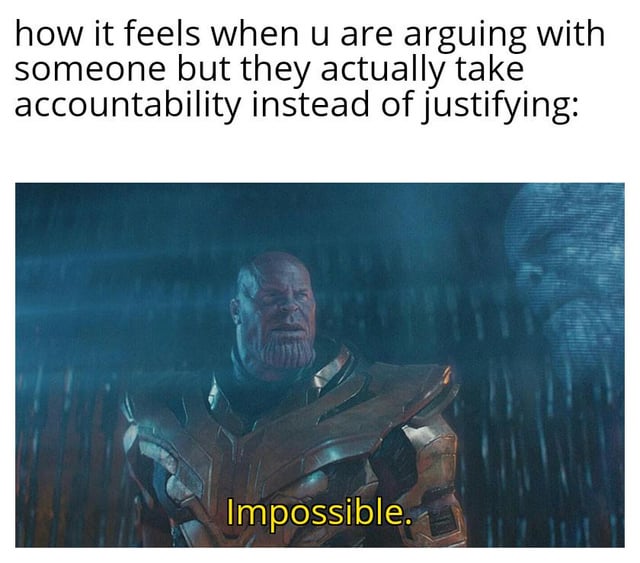
That connected structure matters for memes. A single frame can carry several layers at once: the actor's face, the character's long history, the movie scene, the larger Avengers plot, and the fandom's memory of years of trailers, credits scenes, leaks, and debates. The result is a franchise where ordinary screenshots behave like shorthand. Tony Stark looking exhausted can mean "me after one task." Loki saying he has never met someone can mean denial. Thanos looking solemn can mean overconfident justification, moral grandstanding, or a person who thinks their terrible idea is balanced.
Why The MCU Became A Meme Engine
The MCU's meme value comes from three overlapping traits:
- High recognizability: The costumes, faces, powers, logos, and color palettes are instantly legible even outside dedicated comic fandom.
- Readable emotions: Marvel films often stage big, clean reaction shots: shock, smugness, panic, guilt, denial, exhaustion, and heroic confidence.
- Shared continuity: Fans can remix a moment from one film with a caption about another film, a real-world news cycle, or everyday frustration, and many viewers still understand the reference.
The franchise also became a natural source for both sincere fandom memes and anti-fandom jokes. Enthusiasts use MCU scenes for quote callbacks, trailer reactions, power-scaling arguments, and post-credits speculation. Critics use the same visual vocabulary for jokes about CGI, formulaic plots, multiverse confusion, corporate branding, and superhero fatigue.
Major Meme Lanes
| Meme lane | Common visual cue | Typical use |
|---|---|---|
| Tony Stark / Iron Man | tired face, smug pose, tech screens, "Delete this" style replies | exhaustion, genius sarcasm, tech jokes, bad puns |
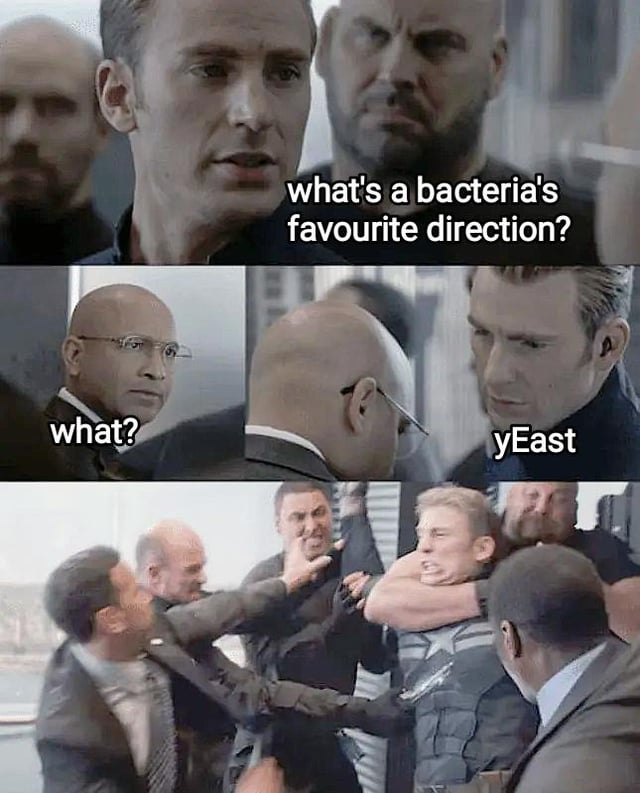
| Captain America | confused sincerity, lecture energy, elevator fights, public-service style scenes | old-fashioned confusion, moral scolding, awkward classroom or authority jokes |
| Loki | theatrical denial, intense monologues, resigned expressions | lying, dramatic overreaction, pet indifference, villainous confidence |
| Thanos | calm menace, Infinity Gauntlet, philosophical speeches, "snap" aftermath | overconfident logic, mass consequences, "perfectly balanced" jokes, harsh decisions |
| Spider-Man / Tom Holland | anxious teen expressions, mentor edits, "Mr. Stark" references | panic, embarrassment, youthful confusion, fandom emotion |
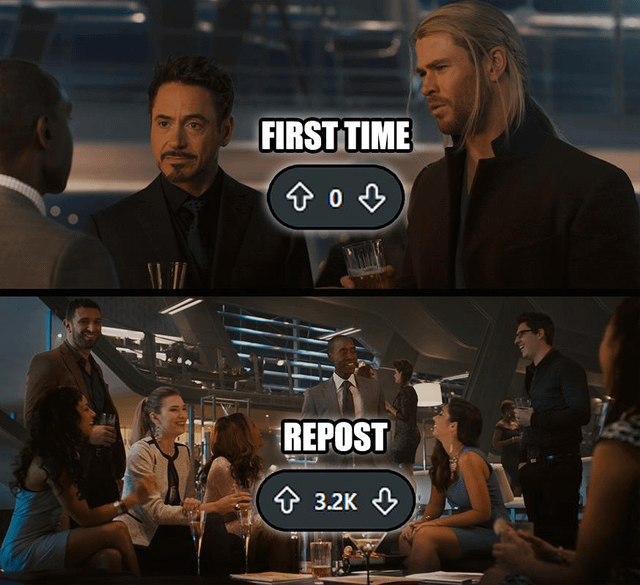
| Avengers ensemble scenes | group stares, portals, party scenes, battle lineups | comparison memes, fandom hype, repost jokes, "everyone is here" formats |
| Marvel fandom behavior | theater seats, credits, timeline charts, watch-order debates | post-credits waiting, continuity obsession, franchise fatigue |
Infinity War, Endgame, And The Snap Era
The MCU's largest meme wave came during the Avengers: Infinity War and Avengers: Endgame period. Thanos became a template for grandiose certainty: he is calm, visually imposing, and often framed as if he has discovered an unavoidable truth. That made him useful for jokes about bad advice, extreme solutions, conspiracy thinking, and people defending obviously excessive choices.
The "snap" also created a simple internet metaphor. A person, object, trend, or website can be "snapped" out of existence, while dusting or disappearance edits can stand in for sudden loss. Time covered "I don't feel so good" as an Infinity War meme built around characters disintegrating after Thanos' snap, noting how it spread as a reaction format beyond the film itself.3 Reddit's r/thanosdidnothingwrong community also staged a widely covered 2018 mass-ban event that turned Thanos' half-the-universe logic into a platform-scale joke.4
Captain America, Loki, And Quote-Based Memes
Not every MCU meme depends on spectacle. Some of the most durable formats come from short, repeatable lines. Captain America's "I understood that reference" works because it is a clean expression of proud, slightly awkward recognition. His school-style instructional scenes and earnest moral delivery are easy to re-caption as rules, punishments, or old-fashioned advice. Time also documented "So, you got detention" as a Captain America meme built from the franchise's public-service style classroom footage.5
Loki works differently. His reaction images often carry theatrical denial, self-pity, mischief, or over-serious villain energy. A Loki still can make a small social situation look mythic: a cat refusing to acknowledge its owner, an insurance company denying responsibility, a person trying to sound profound, or someone dramatically rejecting blame.
Fandom Jokes And Marvel Fatigue
The MCU is also a meme subject, not just a source of images. Post-credits scenes became such a recognizable franchise habit that "Marvel fans waiting after the movie ends" became its own joke format. Timeline order, cameo speculation, trailer freezes, multiverse explanations, and phase announcements all feed meta-memes about how much homework a viewer must do to follow the story.
As the franchise expanded, criticism became meme material too. Online jokes compare newer Marvel projects to overprocessed CGI, generic superhero lighting, or a content pipeline that never ends. These are community interpretations rather than neutral facts, but they are important to meme culture because they show how MCU imagery can be used both by fans and by people making fun of fan culture.
Visual Identifiers
Strong MCU memes usually include one or more of these signals:
- Recognizable Avengers costumes, especially Iron Man armor, Captain America's suit and shield, Thor's hammer or lightning, Loki's horns, and Spider-Man's mask.
- Thanos, the Infinity Gauntlet, Infinity Stones, dusting effects, or cosmic purple lighting.
- Marvel Studios film stills with clean reaction faces and high-contrast blockbuster framing.
- Dialogue captions from Avengers, Loki, Iron Man, Thor, Captain America, Black Panther, Spider-Man, or Guardians of the Galaxy scenes.
- Fandom markers such as post-credits waiting, watch-order charts, multiverse diagrams, trailer screenshots, and "Phase" discussion.
Gagbase Scope
Use this work page for memes sourced from Marvel Studios' connected MCU continuity. Do not use it as a catch-all for every Marvel Comics panel, every superhero meme, or every non-MCU Spider-Man, X-Men, Fantastic Four, or animation joke. Those belong on more precise work pages when the source is not the MCU.
For browsing quality, specific character and origin pages should carry the narrower meme identity when one is obvious. A Thanos "They called me a madman" edit, a Loki denial screenshot, a Tony Stark exhaustion image, and a Captain America school meme can all roll up to this work page, but their character/template pages should remain separate when available. The MCU page is the umbrella; the reaction formats are the searchable handles.
-
Marvel, Marvel Cinematic Universe timeline on Disney+, for Marvel's official continuity framing and timeline ordering. ↩↩
-
Wikipedia, Marvel Cinematic Universe, for the shared-universe background, launch with Iron Man in 2008, and film/television franchise context. ↩
-
Time, The "I Don't Feel So Good" meme, for coverage of the Infinity War dusting meme and its spread as a reaction format. ↩
-
Wikipedia, Thanos, for the r/thanosdidnothingwrong mass-ban event and its connection to Thanos meme culture. ↩
-
Time, The Captain America detention meme, for coverage of Captain America's classroom-style meme format. ↩